
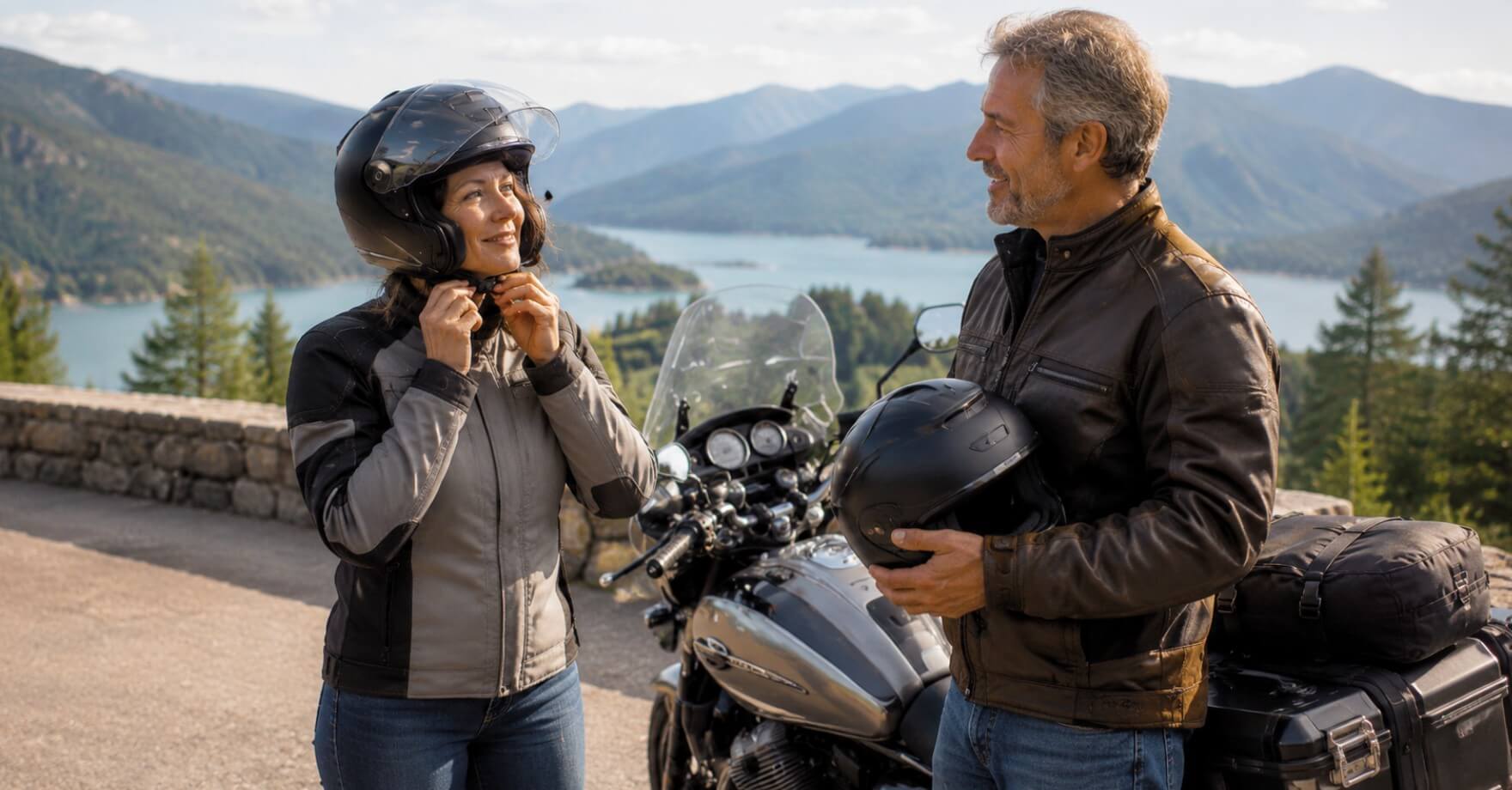
Updated for 2026 to reflect current motorcycle passenger advice, comfort insights, and safety guidance.
Feeling confident on a motorcycle doesn’t happen automatically.
Especially if you’re a new motorcycle passenger.
At the beginning, confidence can feel like something other people have.
You know the ones.
They climb on like they were born on the back seat.
They pat the rider’s shoulder like, “Take me to Tuscany, honey.”
Meanwhile you’re standing there thinking:
This is the part where I pretend I’m calm while my stomach quietly tries to leave my body.
If that’s you, you are normal.
You are not “bad at being a passenger.”
You’re not dramatic.
You’re not broken.
You’re just going through the passenger version of motorcycling.
Which can feel surprisingly intense.
Because you’re processing motion, speed, noise, closeness, and risk… without being the one in control.
And here’s the good news.
Passenger confidence isn’t a personality trait.
It’s not something you either have or you don’t.
Confidence is something you build.
And you build it the same way you build anything else your nervous system doesn’t trust yet.
Slowly.
Repeatedly.
With conditions that help you win.
When your confidence levels are high, riding pillion becomes one of the best experiences you can share with another human being.
The engine is a steady heartbeat under you.
The countryside rolls past.
The air smells like rain before it falls.
And the worries that normally rattle around your head get turned down a few notches.
Those are the moments that matter.
But most passengers don’t start there.
Most passengers start with a tight jaw.
A stiff neck.
A death grip.
And a brain that would like to call an emergency meeting before the bike even leaves the driveway.
So let’s talk about how confidence actually happens.
In real life.
Without pretending you can just “relax.”
What confidence actually is (and what it isn’t)
Confidence isn’t: “I’m never scared.”
Confidence is: “I know what to do when I’m scared.”
Confidence isn’t: “I trust the universe.”
Confidence is: “I trust the rider, and I trust myself to speak up.”
Confidence isn’t: “I’m tough.”
Confidence is: “I’m prepared.”
Passenger confidence tends to come from three things.
- Trust.
- Protection, and
- Predictability.
When those three are in place, fear usually fades.
Not instantly.
But noticeably.
And when one of those three is missing, even experienced passengers can feel uneasy.
So instead of treating confidence like a mood you should force, treat it like a system you can build.
Step one: Trust the rider (or don’t get on)
This is the part people skip because it’s awkward.
But it’s foundational.
Riding pillion is an act of trust.
You are literally placing your safety in someone else’s hands.
And if your gut doesn’t trust the rider, your body will never fully settle.
You can wear the best gear in the world.
You can repeat affirmations.
You can do breathing exercises.
And your nervous system will still be quietly screaming: I do not trust the driver of this metal rocket.
So ask yourself the simplest question.
Do I trust this person to protect my life, even when no one is watching?
If the answer isn’t a steady yes, you don’t need a confidence hack.
You need a different plan.
Trust doesn’t mean the rider has to be perfect.
It means they are safe.
It means they ride smoothly.
It means they don’t show off.
It means they take responsibility for you.
And it means they don’t pressure you.
Because pressure kills trust.
And trust is the whole game.
If you’re not sure whether you should trust the rider yet, here’s a practical guide to when NOT to ride on the back of a motorcycle.
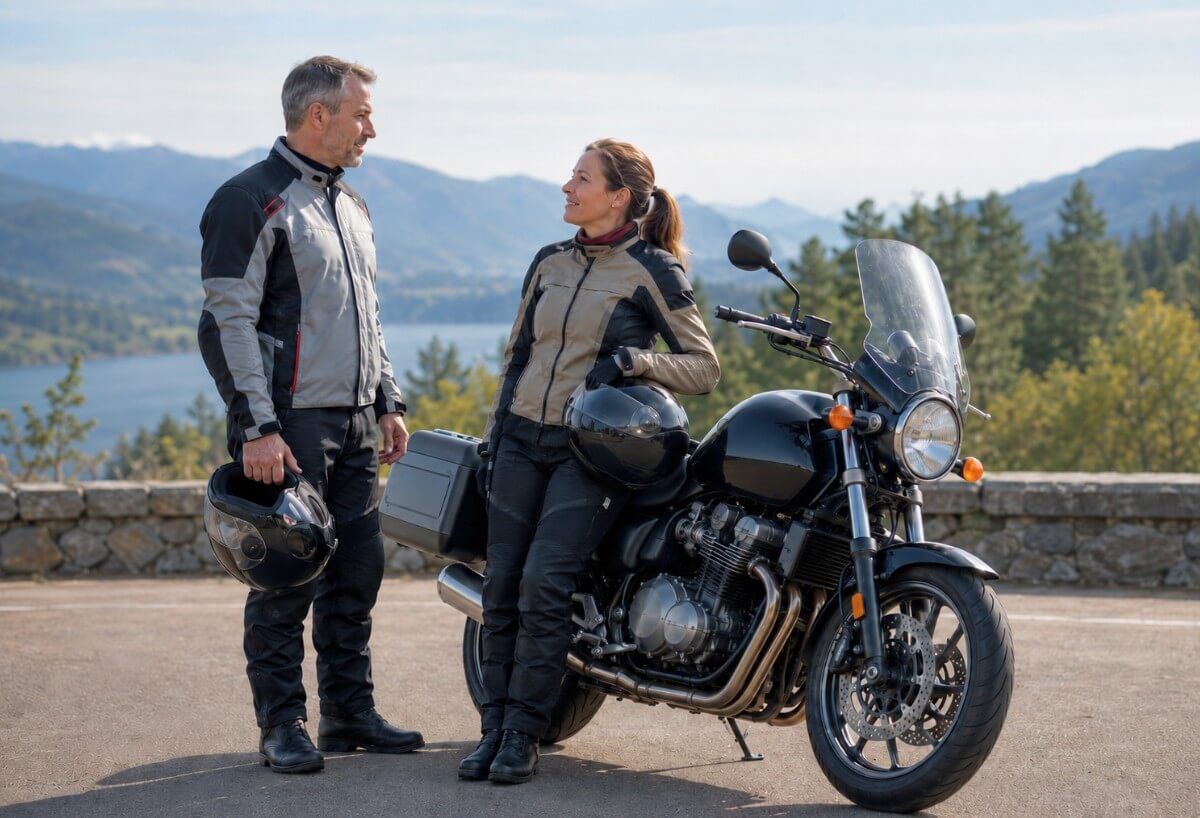
A script you can steal (and you’re allowed to use it)
“I want to enjoy this, so I need us to ride like a team.
If I ask you to slow down or stop, can we do that?”
Any rider worth riding with says yes instantly.
No sulking.
No eye rolls.
No “You’re overreacting.”
If they get defensive, that’s information.
And it’s useful information.
Step two: Wear full gear (because your brain knows the difference)
Here’s something nobody says plainly enough.
If you climb on in shorts and a t-shirt, you’re going to feel vulnerable.
Because you ARE vulnerable.
Good gear is not just about injury prevention.
It’s about confidence.
Gear tells your nervous system:
We are protected.
We are prepared.
We can breathe.
If you’re unsure what actually counts as proper gear for a passenger, this guide on what motorcycle passengers should wear breaks it down simply.
When you’re wearing proper gear, you stop feeling like a raw human on an exposed machine.
You feel like someone who belongs on that bike.
And belonging is a huge part of confidence.
Step three: Remove the mystery (without a four-hour garage sermon)
A lot of passenger fear comes from not knowing what’s normal.
What’s normal braking?
What’s normal lean?
What’s normal acceleration?
What’s normal helmet noise?
What’s normal “Oh God, we’re going to die” when you’re actually… NOT going to die?
Riders forget this, because they’re a little busy.
They’re focused on:
- Steering
- Scanning
- Braking, and
- Engaging with the world you’re roaring through.
Passengers are not task-focused.
They’re in pure sensory mode.
So here’s a tiny thing that makes a big difference.
Do a ten-minute mini-tour of the bike.
Ten minutes.
Not a full history of carburettors.
Not an emotional monologue about why this model is superior to the one from 1998.
Ten minutes.
Ask the rider to show you:
- Where your foot pegs are.
- Where your safe handholds are.
- How you get on and off.
- How to avoid the hot bits (because yes, burns happen), and
- What they want you to do in corners.
When you know what’s going to happen, your brain stops inventing worst-case scenarios.
This is also why understanding what it really feels like to ride on the back of a motorcycle helps calm a lot of early anxiety.
And yes, a quick motorcycle tour is surprisingly interesting.
Even if you normally spend zero time thinking about engines.
(Which, honestly, totally describes me.
I’m not remotely interested in the mechanics.)
Step four: Practice getting on and off (confidence loves rehearsal)
Getting on and off the bike is a classic confidence killer.
It feels awkward.
It feels exposed.
And it’s often the first moment you think: I’m going to make an idiot of myself.
So rehearse it in private.
In the driveway.
Where you have a little privacy.
Two or three times is enough.
Sit on the seat.
Put your feet on the pegs.
Find your balance.
Feel how stable it actually is.
This gives your body a memory.
This is normal.
This is stable.
I can do this.
That small rehearsal often reduces anxiety more than any pep talk.
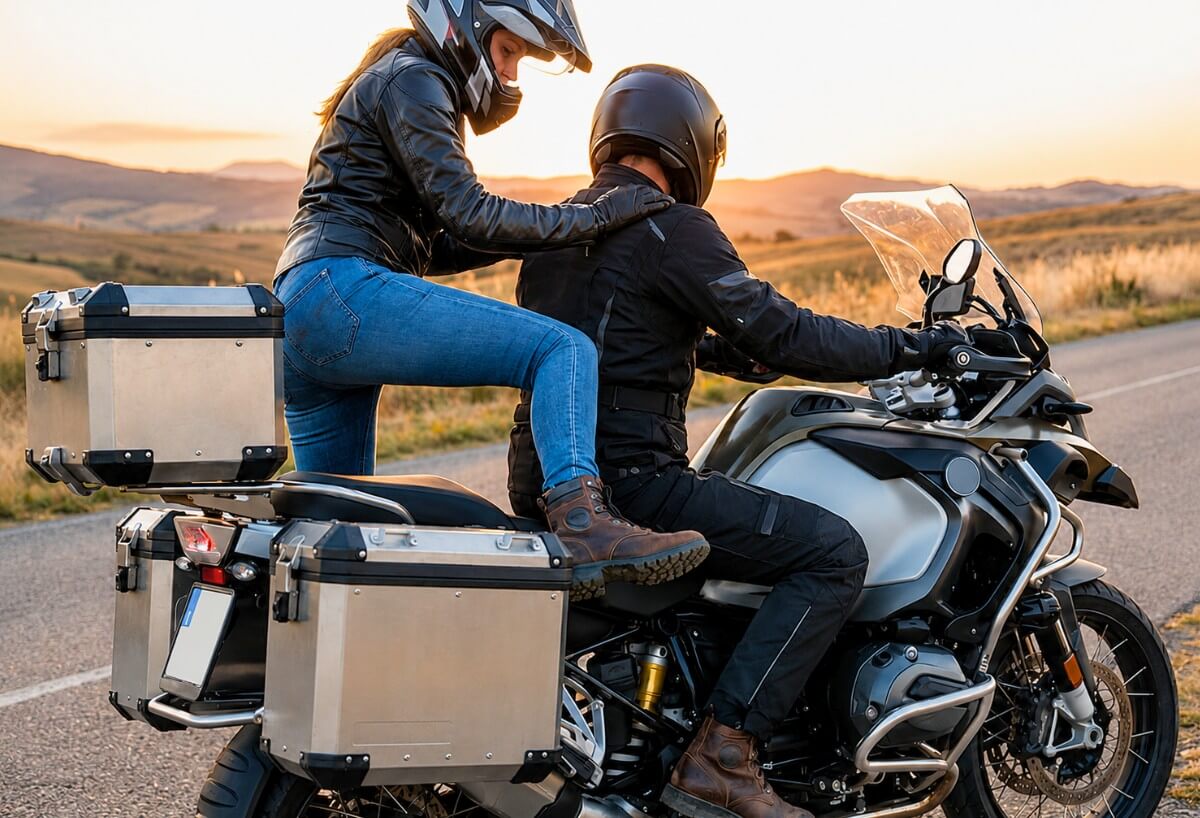
Step five: Learn what to do with your body (you are not luggage)
A lot of new passengers think their job is to become a statue.
Don’t move.
Don’t breathe.
Don’t exist (or at least, try not to).
But that just makes you tense.
And tension makes everything feel scarier.
Here’s the truth.
You are part of the system.
How you sit, breathe, and move affects the ride.
Good pillions aren’t rigid.
They’re responsive.
They move with the rider.
They stay centred.
They don’t panic-shift in corners like a startled cat.
And here’s the secret: once you understand you have a role, confidence increases.
Here’s a simple breakdown of how a motorcycle passenger should hold on without feeling awkward or unstable.
As a passenger, you’re not just enduring the ride.
You’re participating.
And participation feels empowering.
Step six: Choose the right route (confidence hates chaos)
If you’re building confidence, the environment matters.
So (at least at first), try to avoid:
- Rush hour
- Highways
- Aggressive traffic
- Complicated intersections,
- Heavy rain and strong winds.
These conditions are not confidence-building.
They’re more “trial by fire.”
Even after decades as a passenger, I still hate riding in rush hour traffic.
It’s noisy, chaotic, and full of people who seem offended that you exist.
So start on roads that are easier on your nervous system.
Quieter.
Slower.
Less complex.
More scenic.
Trees and rivers are not just pretty.
They’re surprisingly nervous-system-friendly.
Step seven: Start with short rides (you’re not training for a marathon)
Some riders love turning every ride into a ten-hour mission.
No stops.
No breaks.
No mercy.
Bonus points if your spine fuses to the passenger seat permanently.
No.
Confidence builds through positive repetition.
Not suffering.
So start with 20–40 minutes.
A coffee ride.
A short loop.
A quick scenic detour.
You want to finish the ride thinking:
Wait… are we stopping already?
That’s the sweet spot.
That’s how you train your brain to associate riding with “safe and enjoyable” instead of “ordeal.”
Step eight: Pick conditions that don’t fight you
Riding in the rain is a skill.
It also affects your mood.
And not everyone wants to experience that mood.
If you’re building confidence, don’t stack difficulty unnecessarily.
Pick daylight.
Good visibility.
Mild temperatures.
Calmer wind.
You don’t need perfect conditions.
If you waited for those, you’d ride maybe once a year.
But you also don’t need to build confidence while being pelted with hail like you’re in a weather-themed gladiator arena.
Step nine: Comfort is not a luxury (it changes everything)
If your passenger seat is tiny, hard, sloped, or designed for a person with the body shape of a coat hanger, your confidence will suffer.
Because discomfort keeps your nervous system on high alert.
When you hurt, you brace.
When you brace, everything feels worse.
Every bump becomes a threat.
Every stop feels unstable.
Every minute feels longer.
This is why comfort is not indulgence.
It’s a powerful confidence multiplier.
If your seat is working against you, here’s exactly how to make a motorcycle passenger seat more comfortable.
Yep, there are many ways to instantly boost your comfort:
- a better seat
- a backrest
- a change in posture, and even
- a sheepskin on your seat (more on that next).
Those aren’t princess demands.
They’re nervous system tools.
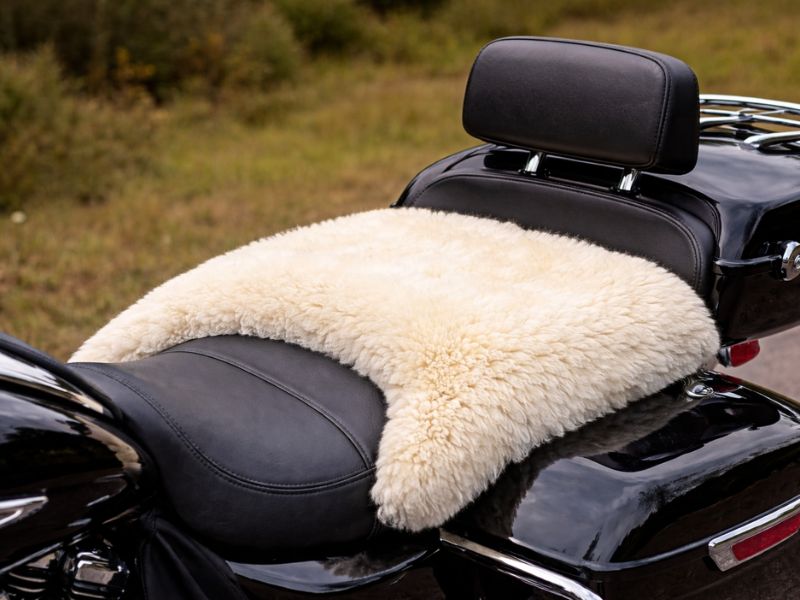
Step ten: The sheepskin hack (yes, I’m being serious)
While you’re waiting for bigger upgrades, here’s the quickest comfort fix I know.
A sheepskin.
And yes, I live in New Zealand.
Yes, we have a lot of sheep.
Estimates say there are about 5 sheep per person around here.
A sheepskin softens road vibration.
It takes the edge off bumps.
It makes the seat feel less like a wooden punishment device.
There are several small tweaks that make a big difference to comfort on longer rides, which I explain in how to make a motorcycle passenger seat WAY more comfortable. LINK
When your body isn’t flinching at every bump, your brain relaxes.
Which is the whole point.
What confidence feels like when it arrives
Here’s what I want you to know.
Confidence often arrives very quietly.
It shows up as:
- Your grip softening
- Your shoulders dropping
- You noticing scenery
- You realising you haven’t thought about fear for ten minutes, and
- You smiling inside your helmet for no reason.
It’s not a dramatic transformation.
It’s a gradual shift from “I’m surviving this” to “I’m part of this.”
And once that happens, you may even start to understand why some motorcycle passengers fall asleep on the back of the bike.
And then one day you will say something that would have shocked the earlier-you.
Hey… should we go for a ride this weekend?
That’s when you know it’s working.
FAQs
How long does it take to feel confident as a motorcycle passenger?
Many passengers feel noticeably calmer after 5–10 short rides in good conditions with a rider they trust.
Full comfort can take weeks or months depending on temperament, gear, and seat comfort.
Why do I feel anxious even when the rider is experienced?
Because your nervous system is still learning unfamiliar movement and exposure.
Skill helps, but predictability and trust are what settle anxiety.
Do I need full gear as a passenger?
Yes.
Proper gear improves physical safety and reduces anxiety because you feel protected.
What’s the best way to start riding pillion if I’m nervous?
Start with short rides on quiet roads in good weather.
Practice getting on and off first.
Ask for smooth riding and clear communication.
What if I don’t trust the rider?
Then confidence won’t build.
Trust is the foundation.
It’s OK to say no.
Further reading for motorcycle passengers
If building confidence as a passenger feels like a work in progress, these will help you understand the experience, the boundaries, and the practical fixes that make a real difference:
Riding on the Back of a Motorcycle – What’s It Really Like?
A clear, honest look at what riding pillion actually feels like before you try to manage the nerves around it.When NOT to Ride on the Back of a Motorcycle
Because confidence can’t grow if the situation itself isn’t safe.How to Make a Motorcycle Passenger Seat WAY More Comfortable
The practical changes that remove one of the biggest hidden causes of passenger tension.
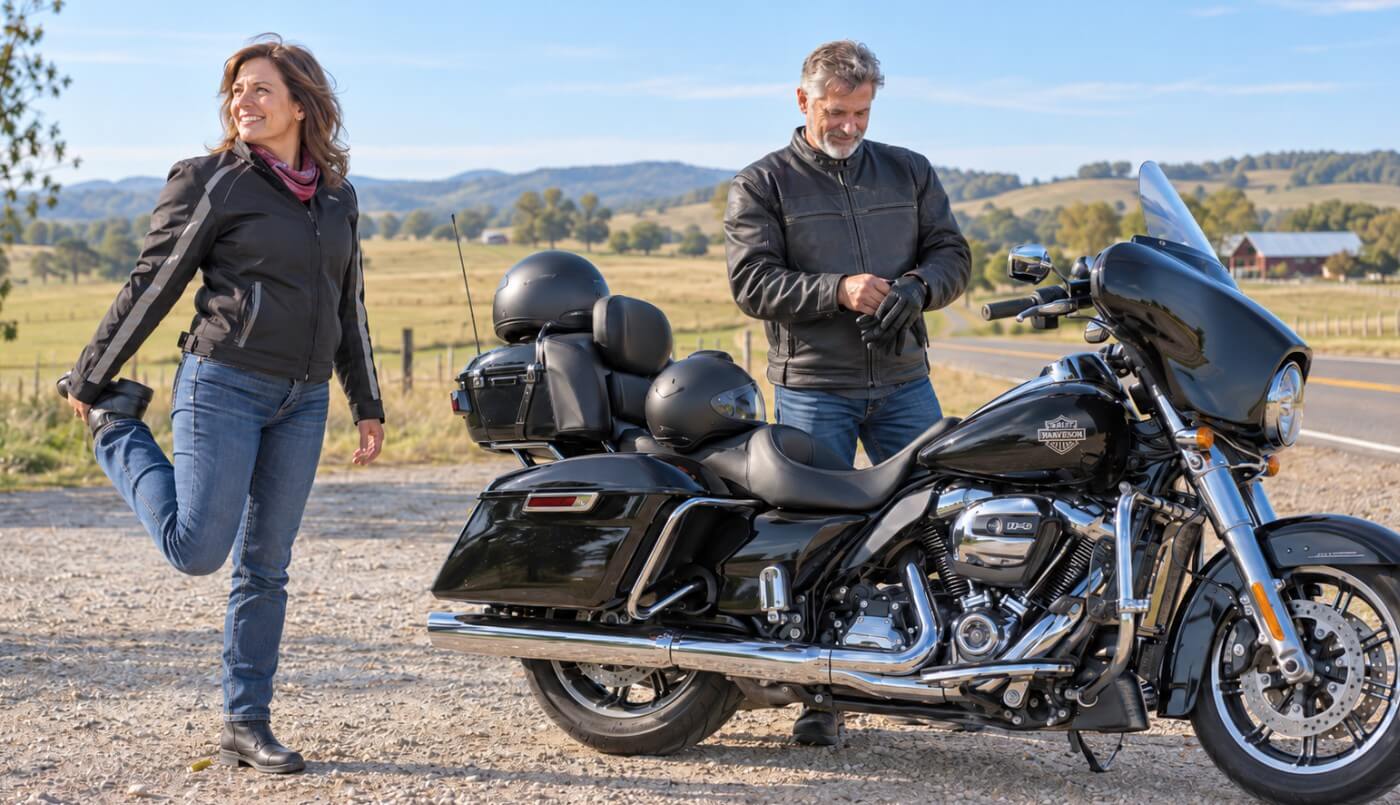
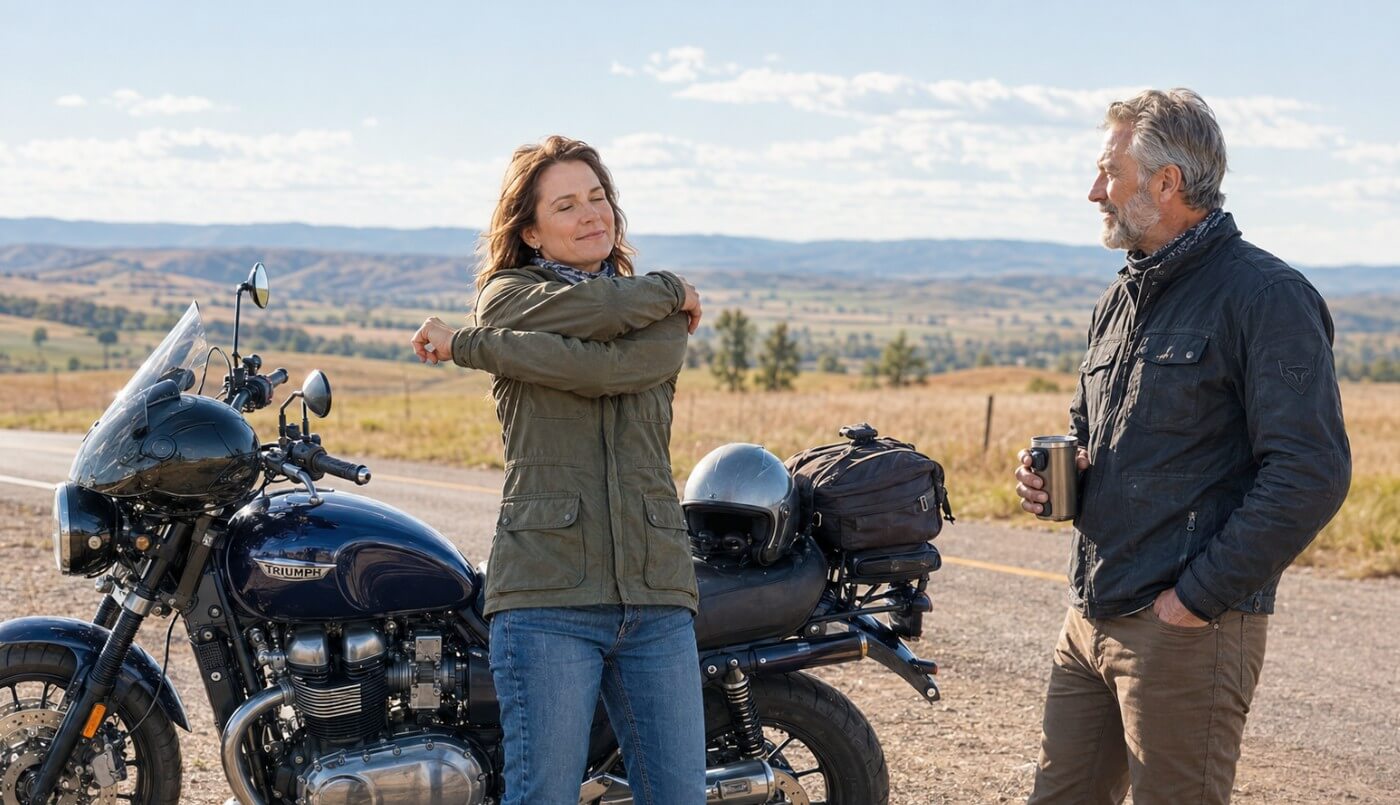
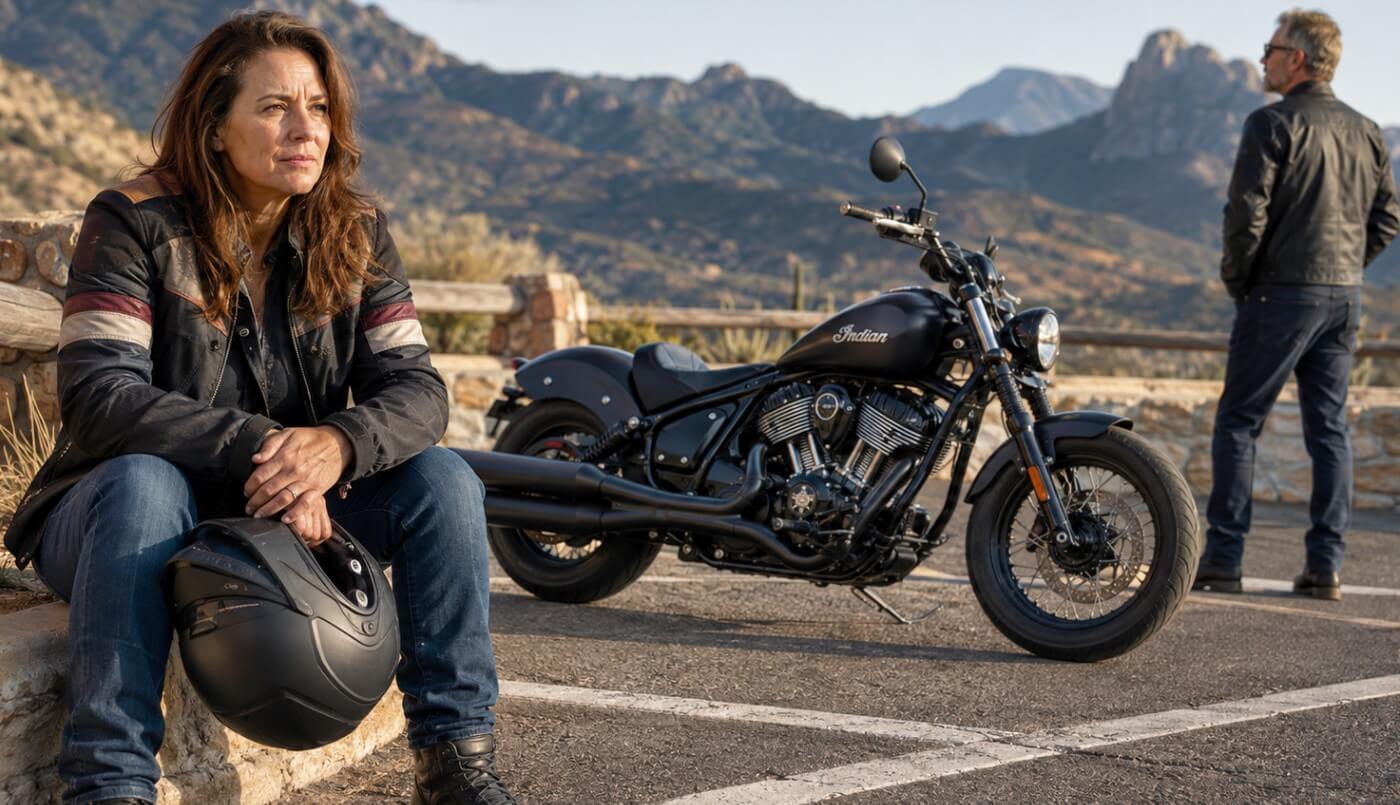
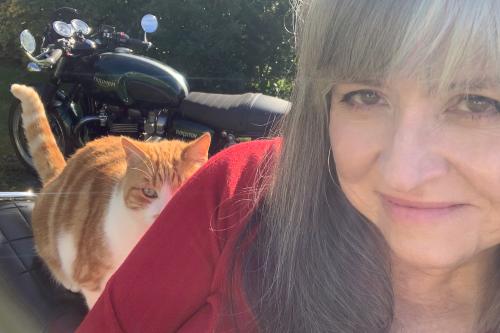
Confidence as a passenger rarely arrives all at once — it tends to grow ride by ride as trust, comfort, and communication improve. If confidence is still feeling fragile, you may also want to read about when passengers begin to trust the rider, because that moment often changes everything.