

Updated for 2026 to reflect current motorcycle passenger helmet advice, safety considerations, and gear recommendations.
The best motorcycle passenger helmet balances comfort, quiet performance, and proper fit.
Passengers experience wind differently than riders — often with more buffeting and sustained noise — so weight, insulation, and real-world wearability matter more than you might expect.
Below, you’ll find trusted helmet options across different budgets and riding styles, plus practical advice from a passenger’s perspective.
This post contains affiliate links.
If you choose to purchase through them, I may earn a small commission at no extra cost to you.
I only recommend gear I believe works well for passengers.
If you’re reading this, you’re probably already riding pillion — or thinking about it.
Maybe you’re over 40 and have discovered that comfort is no longer optional.
Maybe you’ve tried helmets that felt too tight, too loud, or just wrong — and realised how quickly one piece of gear can change the entire ride.
Here’s the truth:
Choosing a helmet as a motorcycle passenger isn’t the same as choosing one as a rider.

When you’re riding in the passenger seat:
- You can’t lean forward to reduce wind exposure.
- You sit upright with wind buffeting you from behind.
- You may be more sensitive to noise and vibration.
- You want comfort over longer rides with less effort.
So the helmet you choose affects:
- How enjoyable the ride feels
- Whether you get fatigued quickly
- Whether you hear everything or just the road, and
- Whether you feel confident or tense.
And if you’re over 40?
Fit and pressure points matter even more.
A slightly wrong helmet on a 20-year-old? That’s only annoying.
But a slightly wrong helmet at 55? That almost guarantees a headache by lunchtime.
This guide helps you cut through the confusion with clear explanations, product suggestions, and practical advice — all from a passenger’s perspective.
Let’s get started.
What Makes a Good Helmet for Motorcycle Passengers?
Before we look at specific helmets, it’s worth understanding what features matter most to someone riding on the back seat — not the front.
- Proper Fit (Non-Negotiable)
A helmet that’s too tight results in:
a headache within 30 minutes.
A helmet that’s too loose means:
Much more wind noise, and your head will actually bump around in it, especially on rougher roads.
Helmets should feel snug, not crushing.
And they should fit properly immediately.
Don’t assume that eventually the helmet will “loosen up.”
It might.
Eventually.
But you need it to fit properly now.
- Weight
A heavy helmet is exhausting.
When you sit upright in wind, your neck works constantly.
After two hours, even an extra few hundred grams makes a difference.
If you’ve ever felt neck strain after a ride, you’ll understand why motorcycle passenger comfort matters more than people realise.
For passengers, lightweight composite or fiberglass shells are worth paying for.
- Noise Reduction
Wind hits the passenger differently.
And often more turbulently.
Noise fatigue is real.
It increases tension and can even cause drowsiness — especially if you’ve ever struggled with sleeping on the back of a motorcycle.
A quieter helmet:
• reduces fatigue
• reduces stress
• protects hearing, and
• makes long rides way more comfortable.
Premium helmets are often significantly quieter – and that isn’t marketing fluff.
It’s about layered insulation and shell design.
- Vision and Field of View
Passengers look around more.
You’re not staring at the road.
You’re watching scenery.
You’re checking surroundings.
A wider field of vision makes the experience feel less claustrophobic.
- Ease of Use
Modular helmets (flip-up fronts) make it easier to chat at traffic lights, and get fresh air without helmet removal.
And if you wear glasses, modular helmets can change your life.
Being able to flip the front up without removing your glasses is a game changer.
It means no more juggling your glasses with one hand while you try to wrestle your helmet onto your head with the other.
I should know.
I’m super short sighted and can’t even find the front door without my glasses.
And I struggled with this for about 10 years before I took the leap into modular helmets.
Personally, I would never go back to a non-modular helmet.
Now we’ve looked at some essential comfort features, let’s look at what’s actually out there.
Helmet Types (Simplified & Realistic)
There are three main types of motorcycle helmets: full face, modular, and open face.
That’s not so overwhelming, right?
Here are the pros and cons of each type, along with our recommendations for actual helmet models, for every budget.
Full Face Helmets
Best Overall Protection for Everyday and Long Rides
Full face helmets cover your entire head and face.
For many passengers, this is the best all-around choice — good noise control, solid protection, and versatility.
Pros:
• Safest option.
• Good noise reduction.
• Protects skin from windburn.
• Wide style and price range.
Cons:
• Can feel enclosed.
• Heavier than open face.
Best for:
Passengers prioritising safety and comfort balance.
Budget Full Face Helmet
LS2 Stream II Solid Helmet
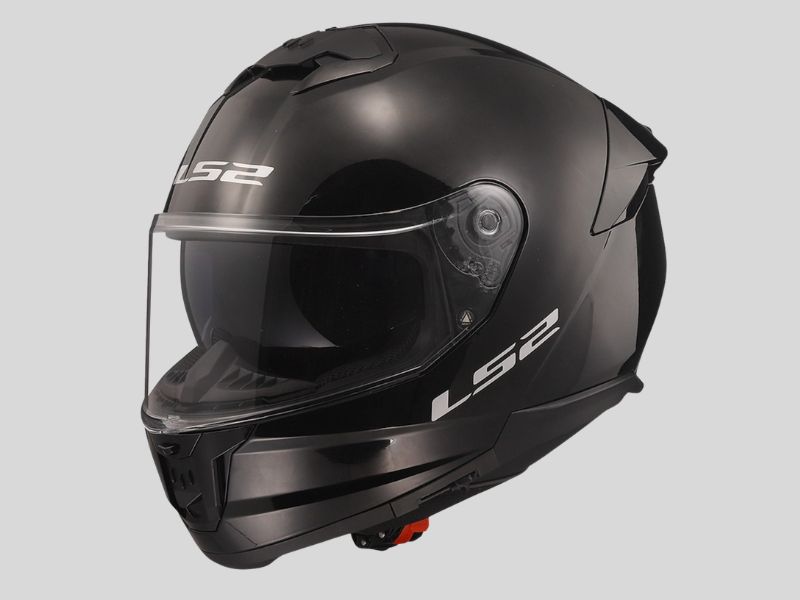
Why it’s great for passengers:
- Comfortable liner for longer rides.
- Good ventilation and general protection.
- Lightweight feel relative to price.
- Easy to wear for everyday use.
The LS2 Stream II Solid is a sensible choice if you want a full face helmet that does all the basics well without premium pricing.
It’s not ultra-quiet like top-tier helmets, but for the price, it’s a solid all-round performer.
Best for passengers who want: a reliable first full face helmet with everyday comfort and solid all-round performance.
Check current price and colour options.
Premium Full Face Helmet
Shoei RF-1400
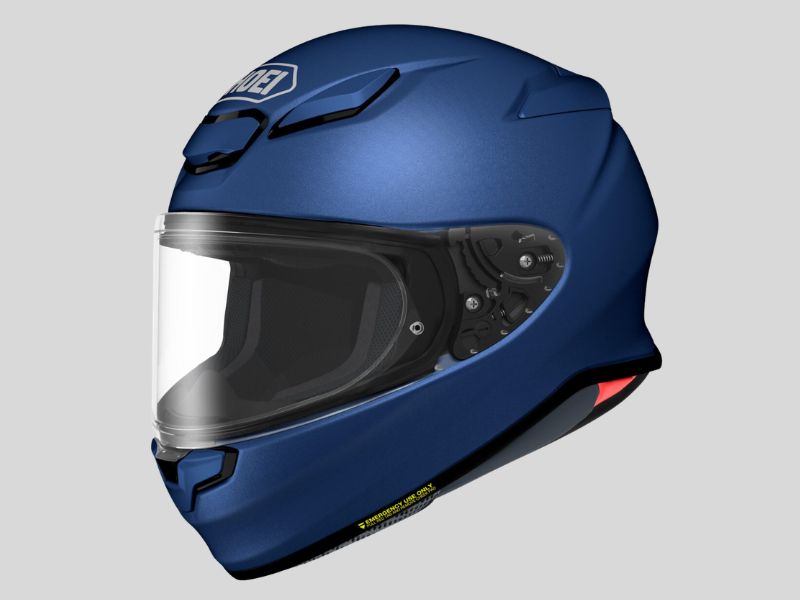
Why passengers choose it:
- Excellent noise reduction — quieter at highway speeds.
- Balanced weight and ventilation.
- Premium interior comfort.
- Smooth airflow design.
The RF-1400 is one of the most comfortable helmets you can wear on long rides, and it’s often a go-to choice for riders who spend hours in the saddle.
For passengers, this translates to less fatigue, less neck strain, and better overall comfort.
Best for passengers who want: long-distance comfort, balanced weight, and noticeably quieter highway performance.
View current pricing and availability.
Modular (Flip up) Helmets
Best for Touring & Glasses Wearers
Modular helmets have a front section that flips up — very handy if you wear glasses or want fresh air without removing your whole helmet.
In a modular helmet, the front lifts up completely.
Pros:
• Excellent for glasses.
• Feels less claustrophobic.
• Convenient at stops.
• Often very quiet.
Cons:
• Heavier.
• More expensive.
Best for:
Passengers over 40.
Long-distance touring.
Anyone who hates feeling trapped.
Budget Modular Helmet
BILT Nomad Modular Helmet

Why passengers choose it:
- Flip-up front is great for glasses wearers.
- Integrated sun shield adds convenience.
- Comfortable liner and decent airflow.
- Good all-around modular at a friendly price.
Modular helmets aren’t always affordable, but the BILT Nomad gives you flip-up convenience without stepping into premium pricing.
Best for passengers who want: modular convenience, easier glasses wear, and practical comfort without stepping into premium pricing.
Check current price and colour options.
Premium Modular Helmet
Shoei Neotec 3

Why passengers choose it:
- Outstanding noise reduction.
- Comfortable, touring-ready interior.
- Great ventilation and airflow.
- Premium materials and weight balance.
If you’re planning long road trips with your partner — and comfort matters — the Neotec 3 is exceptional.
Its modular design makes it easy to chat, drink a coffee, and get back underway without fuss.
Best for passengers who want: premium touring comfort, excellent noise control, and effortless convenience on longer rides.
View current pricing and availability.
Open Face Helmets
Best for Scenic Rides & Warm Weather
Open face helmets don’t cover your face, so they’re lighter and offer a more open feel.
That comes with more wind exposure, but many passengers love the sense of freedom they provide — especially on scenic, slow rides.
Pros:
• Lightest.
• Cool retro look.
• Wide vision.
• Less enclosed feeling.
Cons:
• No chin protection.
• More wind noise.
• Skin exposure.
Best for:
Short rides in warm weather only.
Budget Open Face Helmet
Bell Custom 500
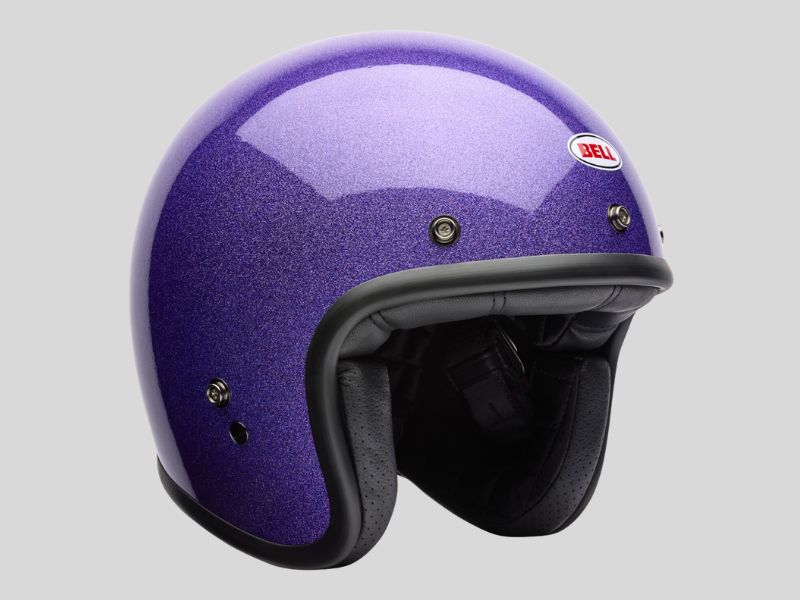
Why passengers choose it:
- Light and comfortable.
- Wide field of vision.
- Works well for scenic rides and short hops.
- Often comes in many colour/style options.
Open face helmets are louder, but the Custom 500 makes a great option when you want to soak in the surroundings without heavy enclosure.
Best for passengers who want: a lightweight, open feel for short scenic rides and warm-weather freedom.
Check current price and colour options.
Premium Open Face Helmet
Biltwell Gringo S
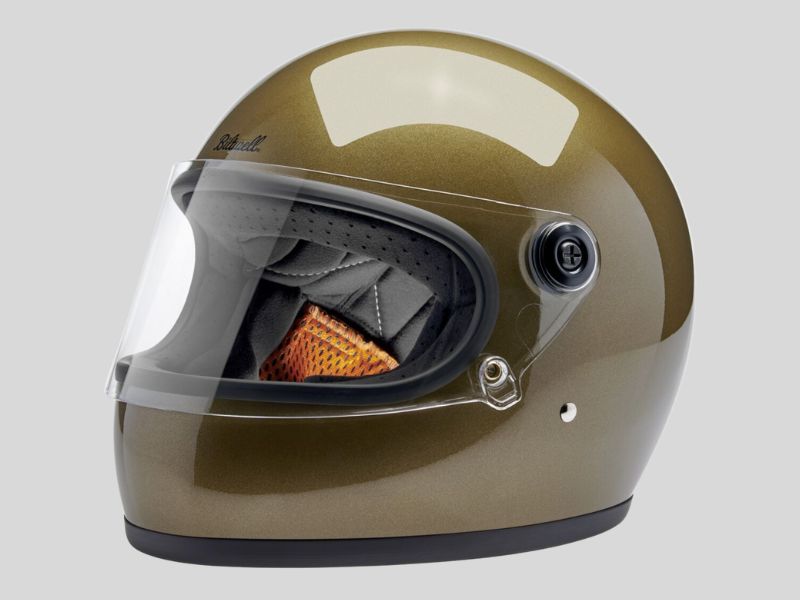
Why passengers choose it:
- Better noise control than many open faces.
- Comfortable liner and fit.
- Stylish aesthetic with modern touches.
- Works well with sunglasses or goggles.
If open-face freedom matters to you but you want more refinement, the Gringo S delivers.
Best for passengers who want: refined open-face comfort with better noise control and a strong sense of style.
View current pricing and availability.
Still Not Sure? Here’s a Simple Way to Decide
If you’re:
- Over 40 and sensitive to pressure points → lean toward lighter, premium full face or modular.
- Wearing glasses → modular will make your life easier.
- Planning long highway rides → prioritise quiet and weight balance.
- Mostly doing short scenic trips → open face can feel freer and lighter.
You don’t need the “best” helmet on the market.
You need the one that matches how you actually ride.
Helmet Comparison Table
If you prefer to compare at a glance, here’s how these helmets stack up specifically for passenger comfort, noise handling and long-ride wearability.
Here’s a quick glance at how these helmets stack up for passenger needs:
| Helmet | Type | Best For | Passenger Comfort | Noise Control | Weight Feel | Price Tier |
| LS2 Stream II Solid | Full Face | Everyday rides | Good | Fair | Light for price | Budget |
| Shoei RF-1400 | Full Face | Long-distance comfort | Excellent | Very Good | Well-balanced | Premium |
| BILT Nomad Modular | Modular | Glasses & convenience | Good | Good | Slightly heavier | Budget |
| Shoei Neotec 3 | Modular | Touring & long trips | Excellent | Excellent | Well-balanced | Premium |
| Bell Custom 500 | Open Face | Scenic / short rides | Comfortable | Loud | Very light | Budget |
| Biltwell Gringo S | Open Face | Style & openness | Comfortable | Moderate | Light | Premium |
Want to check current pricing or available colours?
You can view each helmet’s latest details in the individual sections above.
How to Choose the Right Helmet (More Passenger Tips)
Choosing a helmet isn’t just about what looks good on the shelf (or on your head).
For passengers, these things matter too…
Fit Over Fashion
Especially as we get older, a helmet that fits without pressure points makes all the difference. A helmet should feel snug around your head, but not tight.
There should be no pinching when you move your jaw or speak.
Tip: Try the helmet on with the kind of sunglasses or prescription glasses you actually wear.
Noise Can Drain You
Too much wind noise makes you more tired much more quickly.
If you’re planning longer trips, lean toward helmets that advertise noise reduction and a quiet liner.
That’s one reason premium helmets often feel better on the back seat.
Wear Glasses? Then Modular Helmets are the Winner
If you wear glasses, modular helmets make life easier:
You can flip up the front to take the helmet on and off without removing your glasses.
This leaves your hands free to take your gloves off without doing a juggling act.
It means that wearing glasses is not yet another thing to think about.
Put your glasses on, pull your helmet over the top of them, and you’re ready.
How to Choose the Right Helmet Without Losing Your Mind
There are a million helmets out there to choose from.
Luckily, you don’t need to consider every single one of them.
Let’s just break this down to the least stressful and most effective way to make the right helmet choice for you.
Don’t:
- Try on 40 helmets randomly.
- Choose one because you’re sick of thinking about it, or
- Just pick the prettiest one.
Do:
- Choose the right type for your needs first.
- Choose budget range.
- Try 3–5 max.
- Keep the one that feels invisible.
If you’re over 40, comfort beats aesthetics.
Pretty helmets don’t fix neck pain.
Final Thoughts
Your helmet is one of the most personal pieces of riding gear you’ll ever choose.
As a passenger, you’re not steering.
You’re not controlling the throttle.
You’re experiencing the ride.
The right helmet should support that experience — not distract from it.
Comfort, quiet performance, and proper fit matter more on the back seat than many people realise. Wind hits differently. Noise lingers longer. Neck strain builds gradually.
Whether you choose a budget-friendly LS2 or Bell, or invest in a premium Shoei or Biltwell, the goal is the same: a helmet that feels secure, balanced, and almost invisible once you’re moving.
This isn’t gear for gear’s sake.
It’s gear for confidence. Comfort. Freedom.
And when those three things are right, the ride changes completely.
And if you’re new to riding pillion, you might also find what first-time motorcycle passengers are afraid to say out loud reassuring.
FAQs
What type of helmet is safest for passengers?
Full face helmets offer the most complete protection for motorcycle passengers.
They provide chin coverage, better wind insulation, and generally better noise reduction for everyday and long-distance riding.
Are modular helmets safe?
Yes. Modern modular helmets from reputable brands like Shoei are certified to the same safety standards as full-face helmets.
They offer excellent protection while adding convenience for glasses wearers and touring riders.
Is an open face helmet suitable for long rides?
Open face helmets can be comfortable for shorter or scenic rides, but they expose your face to wind and noise.
For longer highway trips, many passengers prefer full face or modular helmets for better fatigue management.
Should a passenger helmet be different from the rider’s?
Not necessarily, but passengers often benefit more from quieter interiors, lighter weight, and enhanced comfort features due to wind positioning and upright posture.
Does helmet weight matter for passengers?
Yes. Passengers sit more upright and experience more wind resistance, which increases neck strain over time.
A lighter, well-balanced helmet reduces fatigue on longer rides.
How tight should a helmet feel?
A helmet should feel snug with even pressure around your head. I
t should not create hot spots or painful pressure points, and it should not move independently when you shake your head gently.
Are expensive helmets worth it?
Often, yes.
Premium helmets typically offer better noise control, improved weight balance, and higher-quality liners — all of which make a noticeable difference on longer rides.
Further Reading for Motorcycle Passengers
If choosing the right helmet has made you realise how much comfort affects the entire ride, these posts explore the bigger picture:
What First-Time Motorcycle Passengers Are Afraid to Say Out Loud
Understand the fears, sensory overload, and unspoken doubts that often begin long before gear becomes the focus.
How to Make a Motorcycle Passenger Seat Way More Comfortable
Because even the perfect helmet can’t compensate for a seat that leaves you tense, sore, or constantly bracing.
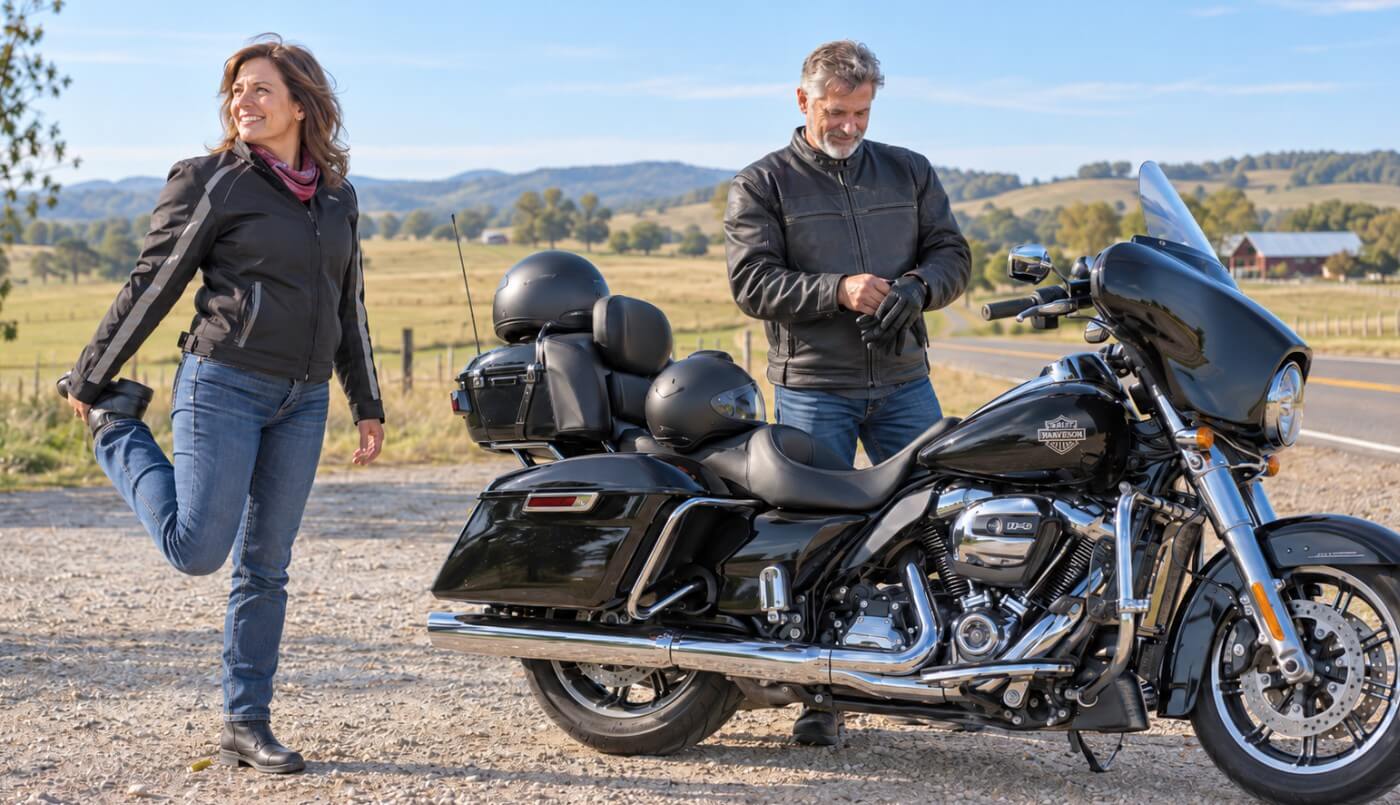

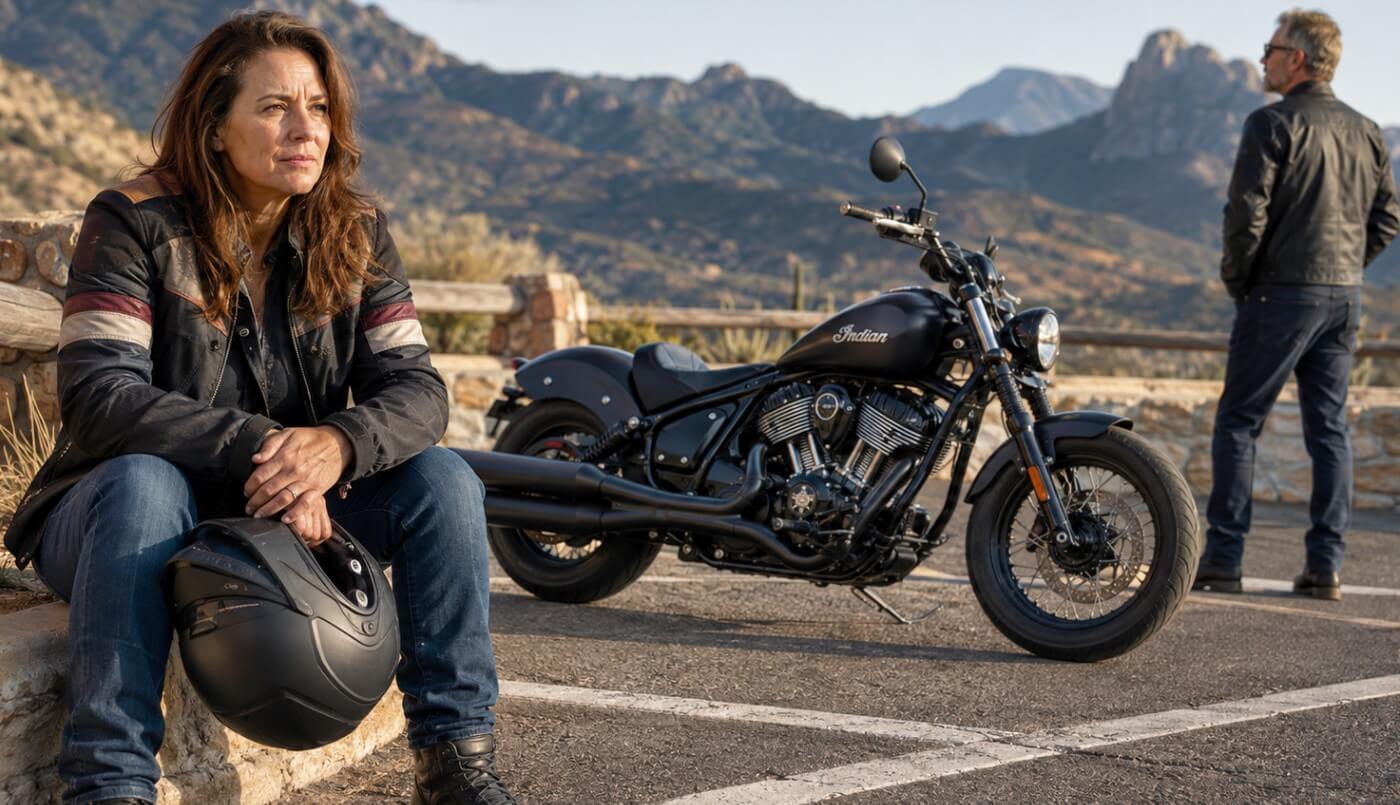

A good helmet does more than protect your head — it can change confidence, noise fatigue, and how comfortable you feel for the whole ride. If you’re also working out the rest of your gear, you may want to read what to wear as a motorcycle passenger.