
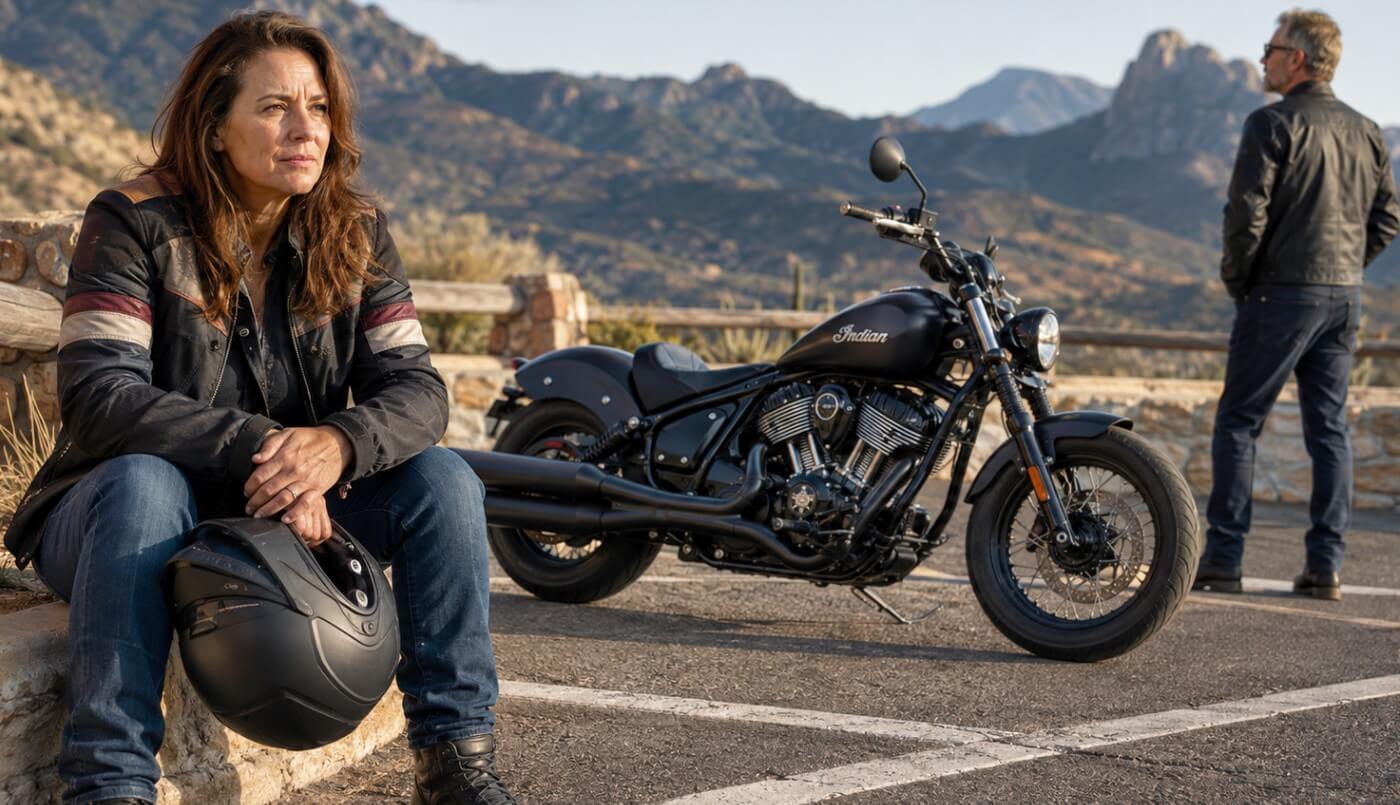
Being scared on the back of a motorcycle isn’t just frightening.
It can also feel surprisingly lonely.
You’re sitting inches behind the rider, sharing the same bike, the same road, the same wind and the same ride.
But inside your helmet, you may be having a completely different experience.
The rider may feel relaxed.
The motorcycle may be stable.
The road may seem perfectly normal to them.
Meanwhile, your whole body may be saying, I don’t like this. I need this to slow down. I want to stop.
That doesn’t mean you’re weak, dramatic or a bad passenger.
It means something about the ride has started to feel too much, and you need a way to say that before fear turns into panic.
This article is for motorcycle passengers who want to speak up without feeling silly, rude, needy or difficult.
It may also help riders understand what a scared passenger is trying to say when the words don’t come out neatly.
Good motorcycle passenger communication doesn’t require a long explanation.
A few clear words and an agreed stop signal can be enough to tell the rider what you need before nervousness becomes panic.
If your fear is less about finding the words and more about riding pillion in general, start with Scared to Ride on the Back of a Motorcycle? Start Here.
The short answer
If you’re scared on the back of a motorcycle, tell the rider clearly and early. You might say, “I’m starting to feel nervous,” “Can we slow down a bit?” or “I need to stop when it’s safe.” You don’t have to justify every feeling while the bike is moving. Your job is to communicate what you need; the rider’s job is to respond calmly, keep the motorcycle smooth and stop somewhere safe as soon as practical. Fear is much easier to handle when it is spoken early instead of hidden until it becomes panic.
You’re allowed to say you’re scared
Many passengers need to hear this plainly: you are allowed to say you’re scared.
You’re allowed to say it even if the rider is experienced, even if the ride is technically safe, even if you agreed to go, even if you were excited five minutes ago and even if you don’t fully understand why you suddenly feel frightened.
A lot of passengers stay quiet because they don’t want to ruin the ride.
They don’t want to sound ungrateful, nervous, annoying or inexperienced.
They may also worry that the rider will take it personally, especially if the rider is a partner, friend or someone they don’t want to disappoint.
But staying silent doesn’t make fear disappear.
It usually makes it grow.
Fear on the back of a motorcycle is much easier to manage while it is still small enough to talk about.
Once it’s built into full panic, your body may stop caring about being polite, reasonable or well-worded.
I’ve had to speak up too
My first few rides on the back of a motorcycle were terrifying.
I had no idea what to expect and knew absolutely nothing about what being a passenger would feel like.
I sat rigidly on the pillion seat, with my legs sticking out and my arms wrapped around the rider like a petrified koala.
I quickly started asking questions.
Where should I put my feet?
How should I hold on?
Could we please go a little slower?
Those questions helped me understand what I was supposed to do and allowed the rider to understand what I needed.
Now, after 34 years of riding on the back of motorcycles, climbing onto the pillion seat feels like the most natural thing in the world.
Speaking up didn’t mean I wasn’t suited to being a passenger.
It was part of how I learned to feel safe and confident.
Speak up before fear reaches panic
When you’re only mildly nervous, it can feel too soon to say anything.
When you’re properly scared, it can feel too hard to say anything.
That’s why it helps to have a few words ready before you need them.
You don’t have to wait until you’re desperate to ask for a change.
You’re allowed to speak when the ride is starting to feel uncomfortable, not only when you’re already overwhelmed.
You might say:
“I’m starting to feel nervous.”
“Can we slow down a bit?”
“Can we stop when it’s safe?”
Those aren’t dramatic statements.
They’re useful information.
A good rider would much rather hear “I’m starting to feel nervous” early than discover ten minutes later that you were silently panicking on the back.
If fear has already gone beyond nervousness and turned into a full-body need to get off the motorcycle, What to Do if a Motorcycle Passenger Panics During a Ride explains what the rider and passenger can do next.
Decide your stop signal before the ride
If you’re scared, words may not come out clearly once the motorcycle is moving.
Wind, helmets, engine noise, traffic and nerves can make communication difficult, especially if you don’t have an intercom.
That’s why a stop signal matters so much.
Before the ride starts, agree on a signal that means:
“I need you to stop somewhere safe as soon as practical.”
That doesn’t mean an emergency stop or “slam on the brakes right this second.”
It means the rider should remain smooth, find a safe place and pull over as soon as they reasonably can.
Your agreed signal might be:
- three firm taps on the rider’s shoulder
- a particular squeeze at the waist
- a clearly understood hand signal, or
- a short phrase over the intercom, such as “I need to stop”.
The exact signal matters less than both of you understanding it.
You shouldn’t have to wonder whether the rider will notice, and you definitely shouldn’t have to wonder whether they’ll ignore it.
Before setting off, you can say:
“Can we agree on a stop signal before we go? If I tap you three times, it means I need to stop somewhere safe.”
That’s calm, clear and reasonable.
It also gives you one small piece of control in a situation where you don’t have the handlebars, brakes, throttle or road position.
Sometimes that small piece of control is enough to stop fear from taking over.
Agreeing on stops, signals, pace and comfort is also an important part of What a Motorcycle Passenger Should Tell the Rider Before the Ride Starts.
Use simple words while the motorcycle is moving
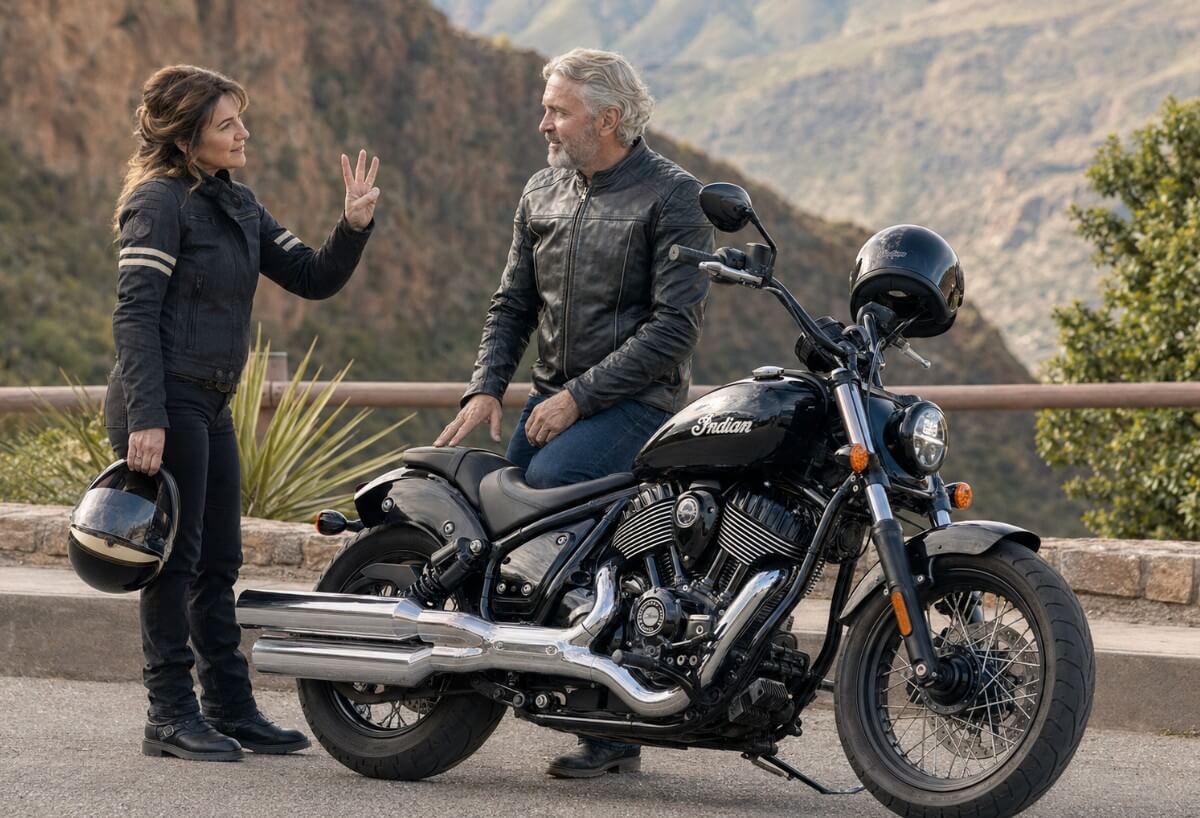
When you’re scared, this is not the time to give a detailed explanation through the intercom.
The rider needs clear information they can act on while still focusing on the road.
Keep it short:
“I’m scared.”
“Please slow down.”
“I need to stop.”
“I’m not okay.”
If you have an intercom, that may be enough.
If you don’t, use your agreed signal and explain more once you’re safely stopped.
The important thing is not to find the perfect wording.
It’s to communicate early enough for the rider to respond safely.
Say what you feel — and what would help
“I’m scared” is a good start.
If you can, add what would help.
That gives the rider something practical to do instead of making them guess.
Slower speed, gentler corners, easier roads, more breaks, shorter rides or heading home are all clear requests the rider can understand.
You might say:
“I’m scared. Can we slow down?”
“I’m nervous in the corners. Can we take them more gently?”
“I’m not comfortable at this speed yet.”
“I’m not ready for that road yet.”
This wording keeps the focus on your experience rather than turning the conversation into an attack on the rider’s skill.
You’re not saying, “You’re a bad rider.”
You’re explaining what the ride feels like from the back and what needs to change.
A ride can be technically fine and still feel too much from the passenger seat.
Both things can be true.
Don’t wait until you can explain it perfectly
Fear doesn’t always arrive with a neat explanation.
Sometimes you’ll know exactly what scared you: a fast overtake, a sharp corner, a gust of wind, a sudden brake or a truck too close beside you.
Other times, you may simply feel your body tighten and your stomach drop without being able to identify one clear reason.
That still counts.
You don’t have to prove your fear before you’re allowed to ask for a slower pace or a stop.
You can say:
“I don’t know why, but I’m not feeling okay.”
“I can’t explain it properly yet. I just need a break.”
That’s enough.
You can talk about the details later, when your body has settled and the motorcycle is parked.
First, get safe.
Then get clear.
What if the fear is really about the rider?
There’s a difference between being scared because motorcycling is new and being scared because the rider is riding in a way that doesn’t feel safe to you.
Normal new-passenger fear often centres on unfamiliar leaning, wind, noise, speed and the feeling of not being in control.
Rider-related fear is different.
It may involve a rider who speeds up after you ask them not to, ignores your stop signal, mocks your concerns or chooses roads you have already said you’re not ready for.
A rider doesn’t have to feel the same fear you feel.
They don’t have to agree that the corner was scary, the speed was too much or the road felt intimidating.
But they do need to take you seriously.
Dismissive responses might sound like:
“You’re fine.”
“That wasn’t even fast.”
“Stop overreacting.”
Those comments may be intended as reassurance, but they usually do the opposite.
They teach the passenger that speaking up is pointless or embarrassing.
A better response sounds like:
“Okay, I hear you.”
“We’ll slow it down.”
“I’ll stop when it’s safe.”
Riders who are unsure how to respond without becoming defensive may find How Riders Can Help New Motorcycle Passengers Feel Safe useful.
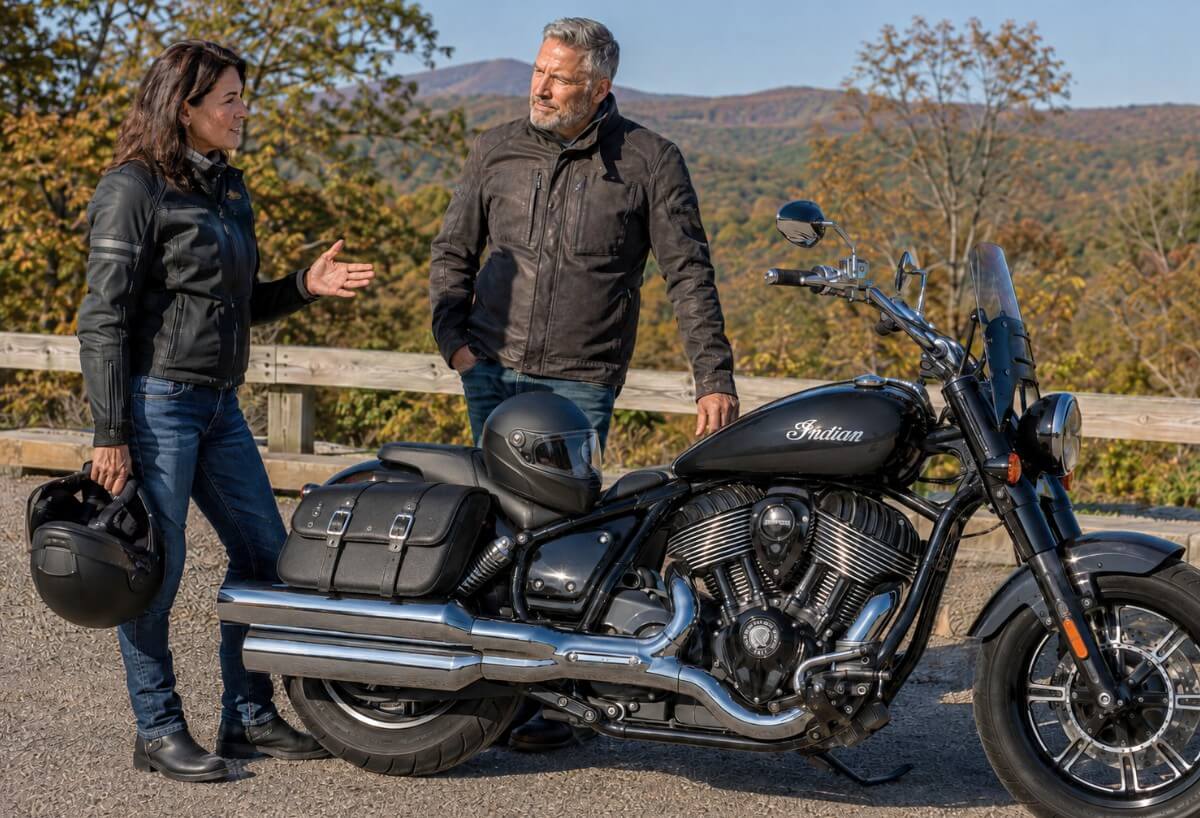
If the rider repeatedly ignores your fear, pushes past your limits or makes you feel trapped on the motorcycle, the answer may not be to “learn to be braver.”
You’re allowed to set a firm boundary.
You might say:
“I’m not comfortable continuing unless we slow down.”
“I’m not riding again unless I know you’ll stop when I ask.”
“I don’t feel safe on the back when my concerns are brushed off.”
You’re allowed to have conditions.
You’re allowed to say no.
Getting on the back of someone’s motorcycle is an act of trust, and the rider needs to be worthy of that trust.
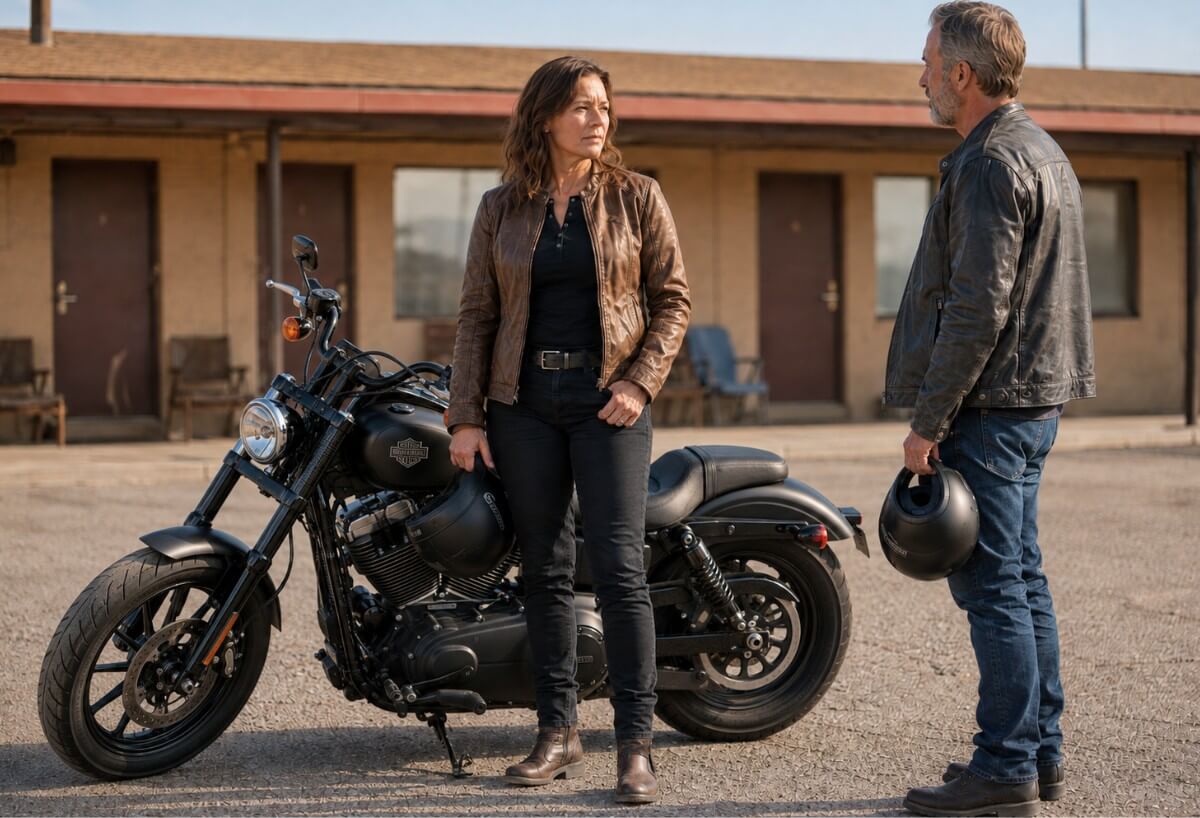
What to say at different points in the ride
You don’t need one perfect speech.
What you say can be short and practical, depending on when the conversation happens.
Before the ride
The easiest time to talk about fear is before the engine starts.
You have room to explain what you need without traffic, wind or helmet noise.
You might say:
“I want to come, but I’m nervous. Can we keep this ride short?”
“I’m worried about corners. Can you take them gently?”
“If I ask to stop, I need to know you won’t be annoyed.”
A good rider would rather know your limits before the ride than accidentally push past them halfway through.
At a stop
Stops give your nervous system a chance to catch up.
They also give you a chance to say what felt impossible while the motorcycle was moving.
You might say:
“That last section felt too fast for me.”
“I need a longer break before we keep going.”
“Can we take an easier route home?”
None of those lines requires a long explanation.
You can simply say what happened and what you need next.
After the ride
Sometimes you don’t realise how frightened you were until the ride is over.
Adrenaline may carry you through the moment, then leave you shaky, emotional, annoyed or exhausted afterwards.
Before the next ride, you might say:
“I want to talk about yesterday’s ride before we go again.”
“When we overtook that car, I felt really tense.”
“I still want to ride, but I need us to build up more slowly.”
An after-ride conversation can help both of you work out whether the fear came from one particular moment, the pace, the route, your comfort, your gear or simply being new.
If the rider listens well, that conversation can build trust for next time.
Try not to apologise for needing a stop
This can be difficult if you hate inconveniencing people, but needing a stop doesn’t make you a nuisance.
Passengers often soften a reasonable request with apologies such as, “Sorry, can we stop?” or even, “Sorry, I’m ruining the ride.”
A little politeness is fine, but you don’t need to shrink yourself every time you ask for a basic safety or comfort need.
Try clearer language instead:
“Can we stop when it’s safe?”
“I need a few minutes.”
“Thanks for stopping. I needed that.”
That last phrase is especially useful.
Instead of apologising for needing help, you acknowledge that the rider responded well.
It reinforces the kind of riding partnership you want.
What if you still want to ride, but you’re embarrassed?
You may want to enjoy motorcycles.
You may want to share the road with your partner.
You may love the idea of road trips, cafés, scenery, fresh air and being part of that world.
And still, when the motorcycle leans or accelerates, your body may say, Absolutely not. What are we doing?
That doesn’t make you fake.
It makes you new, cautious, human or all three.
Confidence on the back of a motorcycle doesn’t always arrive in one heroic moment.
For many passengers, it grows through repeated small experiences that don’t go badly: a short ride where the rider listens, a stop before you’re desperate, a corner taken gently, a manageable route or a conversation where your fear isn’t mocked.
That’s how confidence often begins — not by pretending you were never scared, but by learning that being scared doesn’t have to mean being ignored.
How to Feel More Confident on a Motorcycle (For Passengers) looks more closely at building confidence through shorter, manageable experiences rather than forcing yourself to act fearless.
What a good rider should understand
A good rider doesn’t need you to be fearless.
They need you to be honest.
They need to know if the pace is too much, if you need a stop, if the corners are overwhelming, if the seat hurts, if the ride is too long or if your body has simply had enough for one day.
That information helps them ride better with you.
It doesn’t make you a bad passenger.
It makes you a safer one.
The rider controls the motorcycle, but both people experience the ride.
Being heard changes the ride
Telling the rider you’re scared can feel awkward, especially when you’re trying hard to be brave.
But bravery doesn’t always mean staying silent.
Sometimes it means saying, “I need to slow down.”
Sometimes it means saying, “I need to stop.”
Sometimes it means admitting, “I want to enjoy this, but I’m not there yet.”
You don’t have to deliver the perfect explanation or justify every nervous feeling while the motorcycle is moving.
You only need a clear way to tell the rider what is happening and what would help.
A good rider won’t use your fear against you.
They’ll use it as information.
They’ll slow down, check in, stop when it is safe and help you build trust at a pace your body can actually believe.
That’s how riding starts to feel safer.
Not because fear was never there.
Because it was heard.
Frequently asked questions
Is it normal to be scared as a motorcycle passenger?
Yes.
It’s very normal to feel scared as a motorcycle passenger, especially when you’re new.
You’re exposed to speed, lean, wind, traffic and movement without controlling the motorcycle.
That can feel intense even when the rider is experienced and the ride is technically safe.
What should I say if I need the rider to stop?
Say it clearly and early if you can: “I need to stop when it’s safe.”
If you don’t have an intercom, use the stop signal you agreed on before the ride.
The rider should remain smooth and pull over somewhere safe as soon as practical.
Should I tell the rider I’m scared while the motorcycle is moving?
Yes, if you can do it safely and clearly.
Keep it short: “I’m scared,” “Please slow down” or “I need to stop.”
Don’t try to explain everything while the rider is dealing with traffic.
Save the details for when you’re stopped.
What if I don’t know why I’m scared?
You can still speak up.
Say, “I don’t know why, but I’m not feeling okay,” or “I can’t explain it properly yet, but I need a break.”
You don’t need a perfect explanation before you’re allowed to ask for help.
What if the rider says I’m overreacting?
If the rider dismisses your fear, that’s a problem.
They don’t have to feel the same fear you feel, but they do need to respect it.
A passenger who feels ignored or mocked is less likely to trust the rider next time.
Should I ride again if I was scared last time?
It depends on why you were scared and how the rider responded.
If the rider listened, slowed down and helped you feel safer, you may be able to build confidence with shorter, easier rides.
If they ignored you, mocked you or pushed past your limits, it’s reasonable to say no until that changes.
Can I be a good passenger if I get scared?
Yes.
A good passenger is not someone who never feels scared.
A good passenger communicates honestly, avoids sudden movements, asks for help when needed and learns gradually. Speaking up early can make you a safer passenger.
Further reading
If you’re trying to find the words before fear turns into panic, these may help next:
What to Do if a Motorcycle Passenger Panics Mid-Ride
Read this if fear has already gone beyond “I’m nervous” and turned into an urgent need to get off the motorcycle.
What a Motorcycle Passenger Should Tell the Rider Before the Ride Starts
A useful next step for talking about stops, signals, comfort, pace and worries before the helmet goes on.
How to Feel More Confident on a Motorcycle (For Passengers)
A calmer, bigger-picture guide for passengers who want to build confidence gradually instead of pretending they’re fine.
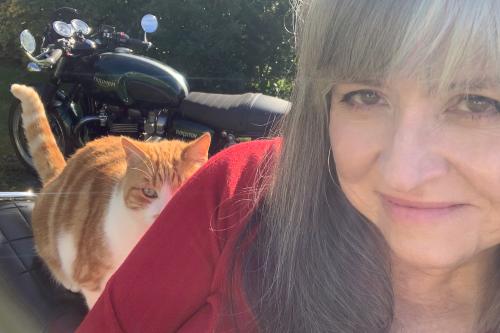
Have you ever struggled to tell a rider that you felt scared or uncomfortable?
Maybe you worried about upsetting them, spoiling the ride or sounding inexperienced. Or maybe speaking up led to a helpful conversation and made future rides much better.
You’re very welcome to share what happened below. Your experience may help another passenger find the words they need.