
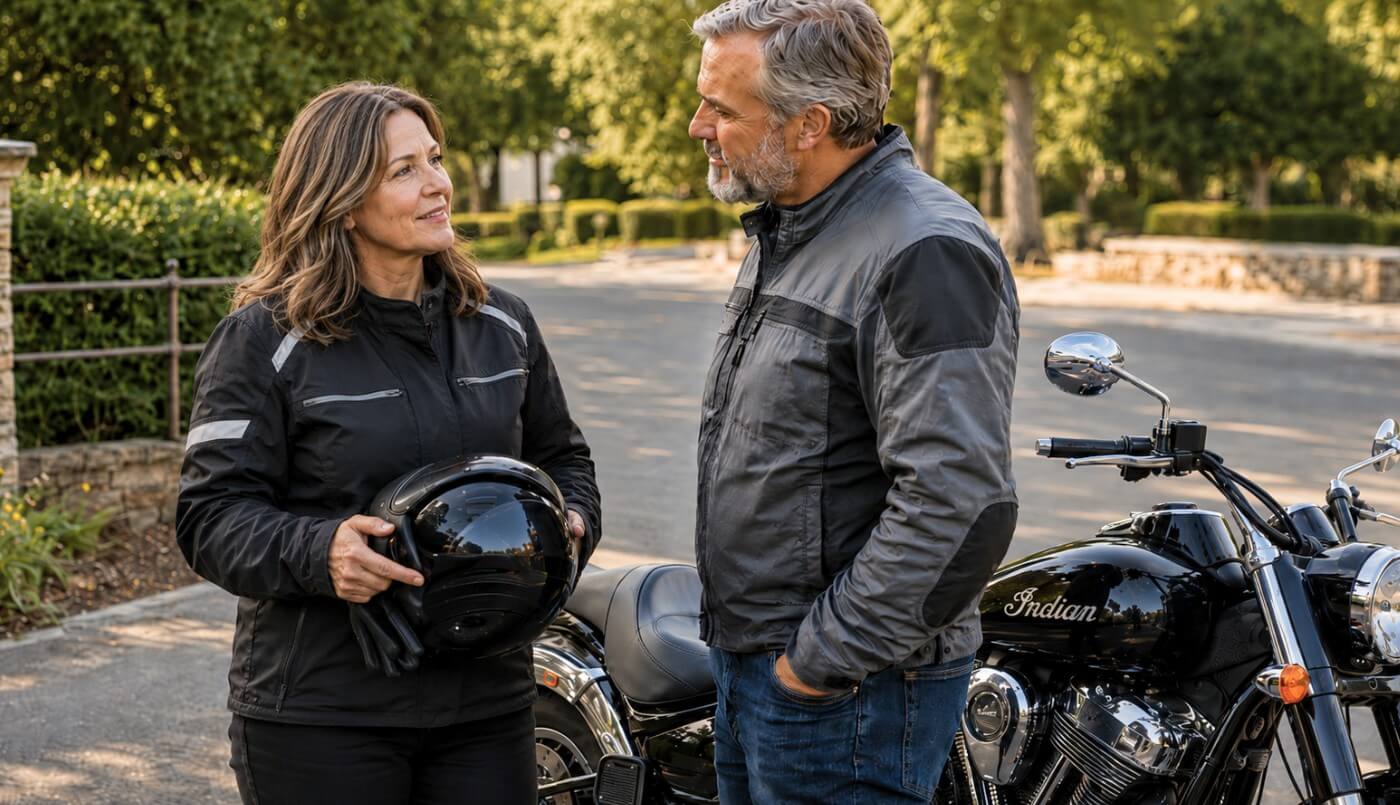
A new motorcycle passenger doesn’t only need you to ride well.
They need to feel that you’re riding with them in mind.
You may know the bike is stable, the corner was normal, and the speed felt reasonable.
But from the back seat, a new passenger may be having an entirely different experience.
They’re exposed to the wind, the noise, the lean, the traffic, and the movement of the motorcycle — without controlling any of it.
So if you’re the rider, your job isn’t just to be technically safe.
It’s to help your passenger feel included, listened to, and calm enough to trust the ride.
This article is mainly for riders, but passengers may find it helpful too.
If you’re the one on the back, sometimes it’s easier to explain what you need when someone else has already found the words.
The short answer
Riders can help a new motorcycle passenger feel safe by riding smoothly, explaining what to expect, agreeing on a stop signal, checking in often, and never mocking or dismissing fear. A new passenger needs to know they can speak up, ask for a stop, and be taken seriously. Good two-up riding isn’t just about control of the motorcycle. It’s also about trust, communication, comfort, and remembering that the passenger is experiencing the ride from a much more vulnerable position.
New passengers feel more than you think
From the rider’s seat, motorcycling feels natural.
You know when you’re about to accelerate, when you’re setting up for a corner, why you’re changing lanes, and why you’re adjusting your road position.
Your passenger may not know any of that.
They just feel the result.
That’s one of the hardest things about being new on the back of a motorcycle.
So much happens to you, and you’re trying to interpret it all in real time.
A new passenger may have a whole conversation going on inside their helmet:
- Am I sitting right?
- Am I leaning too much?
- Am I leaning too little?
- Was that corner supposed to feel like that?
- Should I hold on tighter?
- Can the rider tell I’m scared?
- Am I being annoying if I ask to stop?
That’s a lot to carry when you’re also trying to look calm on the outside.
If your passenger seems quiet, that doesn’t always mean they’re relaxed.
They may be concentrating, overwhelmed, trying not to distract you, or afraid of sounding difficult.
I’ve talked more about this side of riding as a couple in what first-time motorcycle passengers are afraid to say out loud.
Your first job is not to impress the passenger
A new passenger doesn’t need a demonstration of what the motorcycle can do.
They need to feel that you can ride safely and respectfully with another person on the bike.
That means this is not the time to prove the bike can launch like a startled gazelle.
It’s not the time to carve through corners as if your passenger has secretly been training for this moment.
And it’s definitely not the time for last-second overtakes, cheeky bursts of speed, or “you’ll love this road” surprises that are only fun for the person holding the handlebars.
Your passenger may love those things later.
Or they may not.
But on an early ride, your goal is simple:
Help them get off the motorcycle thinking, I could do that again.
Not:
Thank goodness that’s over.
That first impression matters.
A passenger who feels safe early has a much better chance of becoming confident later.
A passenger who feels frightened, dismissed, or trapped may carry that memory into every future ride.
Choose the right first ride
A first or early passenger ride should be deliberately simple and low-pressure.
That doesn’t make it boring.
It means choosing conditions that give the passenger the best possible chance to relax, build trust and finish the ride feeling willing to do it again.
Choose a route that gives the passenger room to settle.
Familiar roads, light traffic, lower speeds, gentle corners, smooth surfaces, good weather, and easy places to stop are usually your friends here.
What you don’t want is a first ride built around heavy traffic, fast highways, tight twisty roads, bad weather, long distances, rough surfaces, complicated parking, or a route with nowhere easy to pull over.
A nervous passenger is already processing a lot.
Don’t make the first ride a test of endurance.
A short ride is not a failure.
A calm 20-minute ride with a coffee stop can do more for trust than a two-hour ride that pushes someone past their limit.
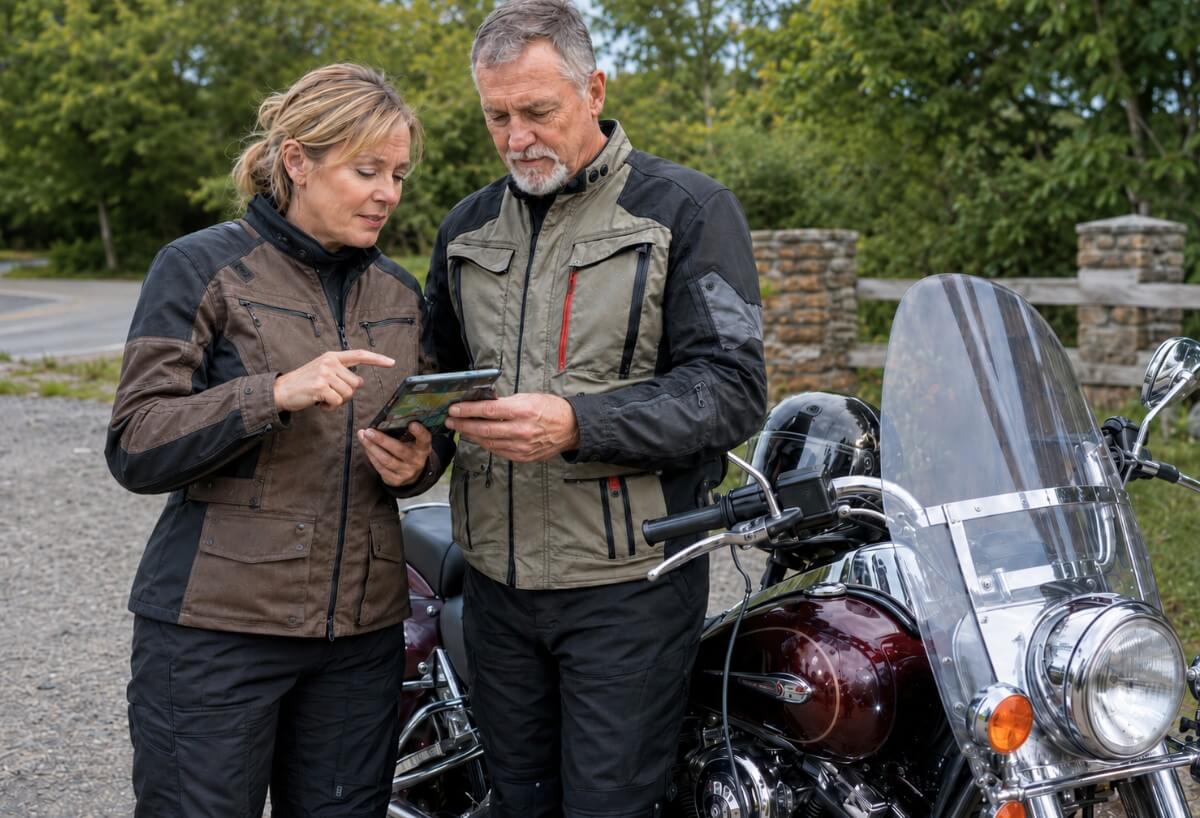
Explain the basics before the engine starts
New passengers often feel safer when they know what’s expected of them.
Not a long lecture.
Not a technical course.
Just the basics.
Before the ride, it helps to explain:
- how to get on and off
- where to put their feet
- where to hold on
- what to do at stops
- how to move with the bike in corners
- what signal means “please stop”, and
- what they should never do suddenly.
This is also a good time to say the most reassuring thing of all:
“If you need to stop, tell me. I won’t be annoyed.”
That sentence can lower the pressure immediately.
Many passengers are not only afraid of the motorcycle.
They’re afraid of upsetting the rider, ruining the day, or seeming like a nuisance.
So make it clear from the start that their comfort matters.
And if holding on feels awkward, that doesn’t mean they’re doing it wrong.
New passengers often need a little time to work out what feels secure.
That’s why how does a motorcycle passenger hold on can help with this.
Agree on a stop signal
This topic deserves its own discussion because it’s one of the simplest ways to prevent panic.
Before the helmets go on, agree on a signal that means:
“I need you to stop somewhere safe as soon as practical.”
That signal might be a firm tap, a repeated tap, a squeeze, a hand gesture, or a phrase over the intercom.
The important thing is that both people understand it.
The passenger needs to know the signal will be taken seriously.
The rider needs to know the signal doesn’t mean “slam on the brakes right now.”
It means, “Stay smooth, acknowledge the signal if possible, and find a safe place to pull over.”
A stop signal gives the passenger a small but powerful sense of control.
Feeling trapped is one of the quickest ways for fear to turn into panic.
If a passenger knows they’re allowed to ask for a stop, they may not need to use the signal at all.
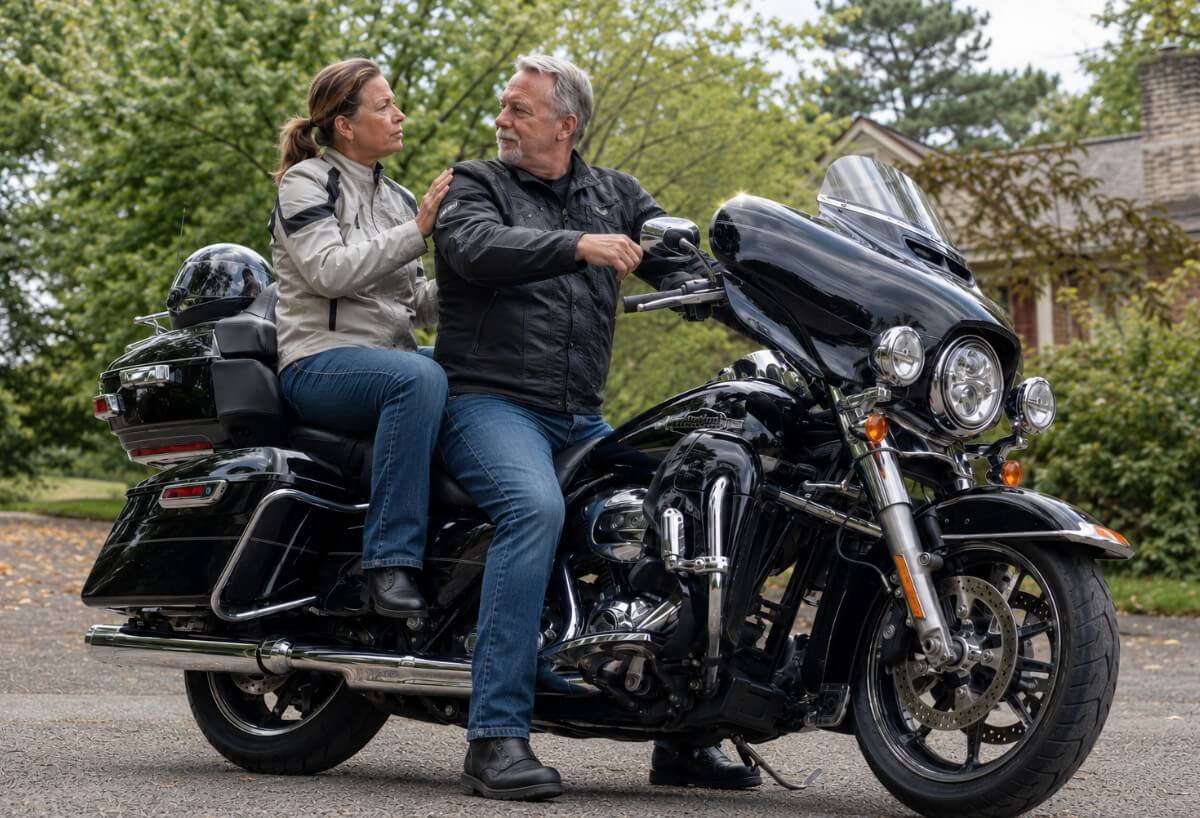
Ride smoothly, not dramatically
Smooth riding matters more than you may realise.
A new passenger feels every throttle change, brake input, gear change, corner entry, and shift in balance.
What feels normal to you may feel scary to them.
So make the ride boring in the best possible way.
Use smooth throttle.
Brake earlier and more gently.
Avoid sharp lane changes.
Leave a generous following distance.
Set up for corners calmly.
Don’t accelerate hard just because there’s a clear stretch of road, and don’t overtake unless it’s genuinely sensible and necessary.
This is not about riding timidly.
It’s about riding with awareness.
The motorcycle now has two people on it, and one of them may be quietly deciding whether they ever want to do this again.
Remember that corners feel different from the back seat
Corners are often one of the biggest surprises for new passengers.
From the rider’s seat, a gentle lean may feel completely normal.
From the back seat, it can feel as if the world has tilted sideways, and nobody warned you.
New passengers may sit too stiffly, try to stay upright, lean the wrong way, grip too hard, or worry they’re affecting the motorcycle.
They may also be afraid to ask because they don’t want to distract you.
Help your passenger by keeping early corners slow, smooth, and predictable.
You can also give a simple explanation before the ride:
“You don’t need to do anything dramatic in corners. Just stay with me and the bike. Don’t fight it, and don’t try to lean an extra amount.”
That’s enough for most beginners.
They don’t need a lecture on cornering physics.
They need a simple picture of what to do with their body.
If this is something your passenger is worried about, how should a motorcycle passenger lean in corners explains it in a passenger-friendly way.
Check in before your passenger asks for help
A good rider doesn’t wait until the passenger is visibly miserable before checking in.
The best check-ins are early, casual, and low-pressure.
They don’t need to feel like a serious relationship summit at the side of the road.
They just need to show that you’re paying attention.
At a stop, you might ask:
“How are you doing?”
“Was that pace okay?”
“Do you want a longer break?”
“Were the corners okay?”
“Do you want to keep going, or would you rather turn back?”
Then listen to the answer.
Not the version of the answer you were hoping for.
The actual answer.
If they say the speed felt a bit much, don’t argue that you were under the limit.
If they say the corners felt scary, don’t explain that the bike still had plenty of lean left.
If they say they need more breaks, don’t tell them they’ll get used to it.
Fear often grows in silence.
A passenger who can say, “I’m starting to feel nervous,” is much less likely to reach the point of “I can’t do this anymore.”
The goal is not to prove that you were technically right.
The goal is to understand what the ride felt like from the back seat.
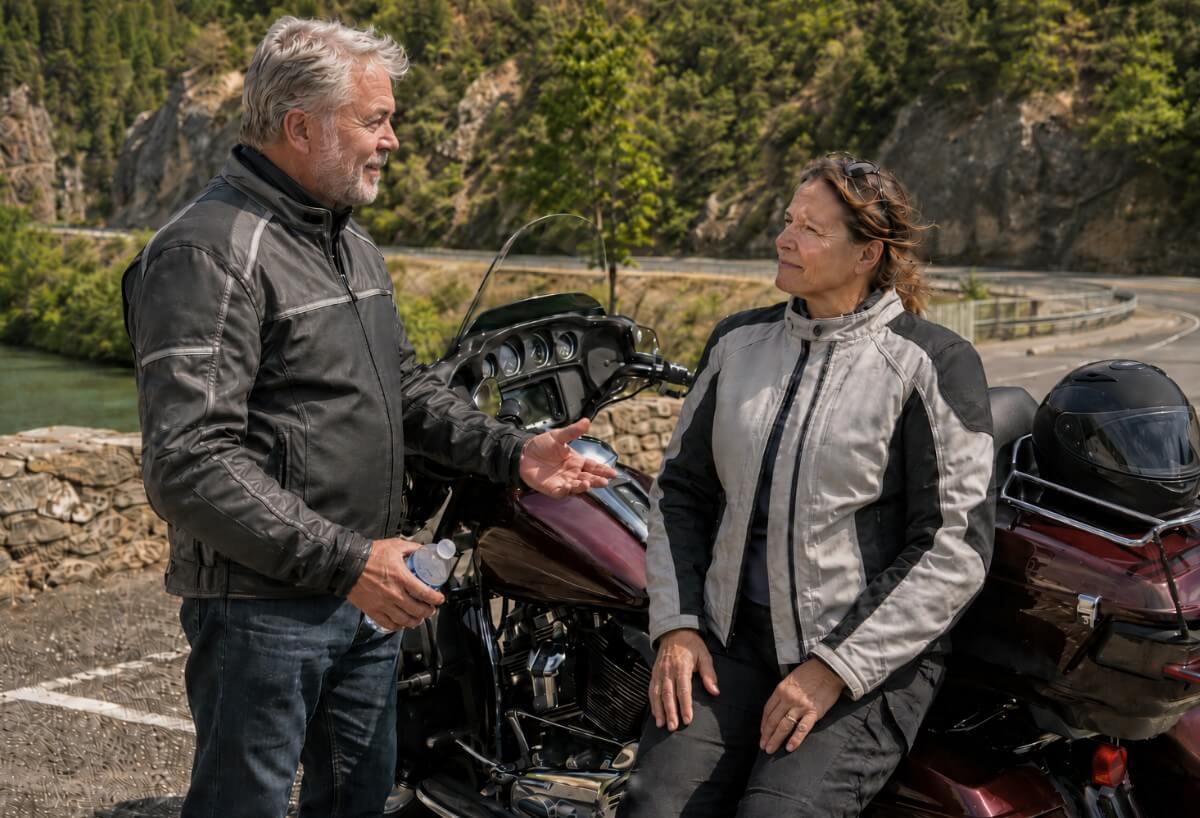
Don’t dismiss fear just because you don’t feel it
This may be the most important part.
A rider can be technically safe and still have a passenger who feels frightened.
Both things can be true.
You may know the corner was fine, the overtake was safe, the wind gust wasn’t dangerous, and the bike had plenty of grip, power, and braking distance.
But your passenger doesn’t experience the ride through your hands, your feet, your eyes, or your confidence.
They experience it from behind you, without control.
So if your passenger says something felt scary, try not to answer with a defence.
Don’t start with:
“That wasn’t fast.”
“You were fine.”
“I know what I’m doing.”
“You just need to relax.”
Those answers may feel reassuring to the rider, but they can make the passenger feel silly, dismissed, or even less willing to speak up next time.
Try starting with:
“Okay. Thanks for telling me.”
“What part felt scary?”
“Would slower feel better?”
“Do you want to stop for longer?”
“What would help next time?”
You don’t have to agree with every fear to respect it.
And you don’t have to feel frightened yourself to understand that the person behind you may be having a very different ride.
Build comfort into the ride
Feeling safe is not only emotional.
It’s physical too.
A cold, sore, hungry, dehydrated, cramped, or exhausted passenger has less patience, less resilience, and less ability to cope with surprises.
That means comfort is not a bonus.
It’s part of safety.
Check whether they’re warm enough, whether their helmet or gloves are bothering them, whether they can reach the pegs easily, whether the seat is hurting them, and whether they need food, water, or a break.
A passenger who is physically miserable may not say, “I’m uncomfortable.”
They may just get tense, quiet, irritable, or scared.
If the seat is part of the problem, how to make a motorcycle passenger seat way more comfortable is worth reading before the next longer ride.
Comfort can change everything on the back of a motorcycle.
Let the first few rides be passenger-led
This doesn’t mean the passenger controls the motorcycle.
It means their comfort sets the pace.
If they’re new, nervous, or returning after a bad experience, the ride should be built around what helps them feel safe enough to try again.
That may mean choosing shorter rides, easier roads, lighter traffic, and more frequent stops than you’d choose on your own.
It may also mean skipping the twisty detour, turning back earlier than planned, or accepting “That’s enough for today” without disappointment leaking out of your helmet.
This can be hard for riders who are used to covering distance, chasing the good road, or making the most of perfect weather.
But early two-up trust is fragile.
A passenger who feels pushed too far may not remember the beautiful scenery.
They may only remember that they wanted the ride to end.
If the passenger gets off the bike calm, heard, and willing to try again, that’s a successful ride.
Even if you only went twenty minutes.
Even if you skipped the scenic loop.
Even if you ended at a café ten miles from home.
The goal is not to complete the route.
The goal is to build trust.
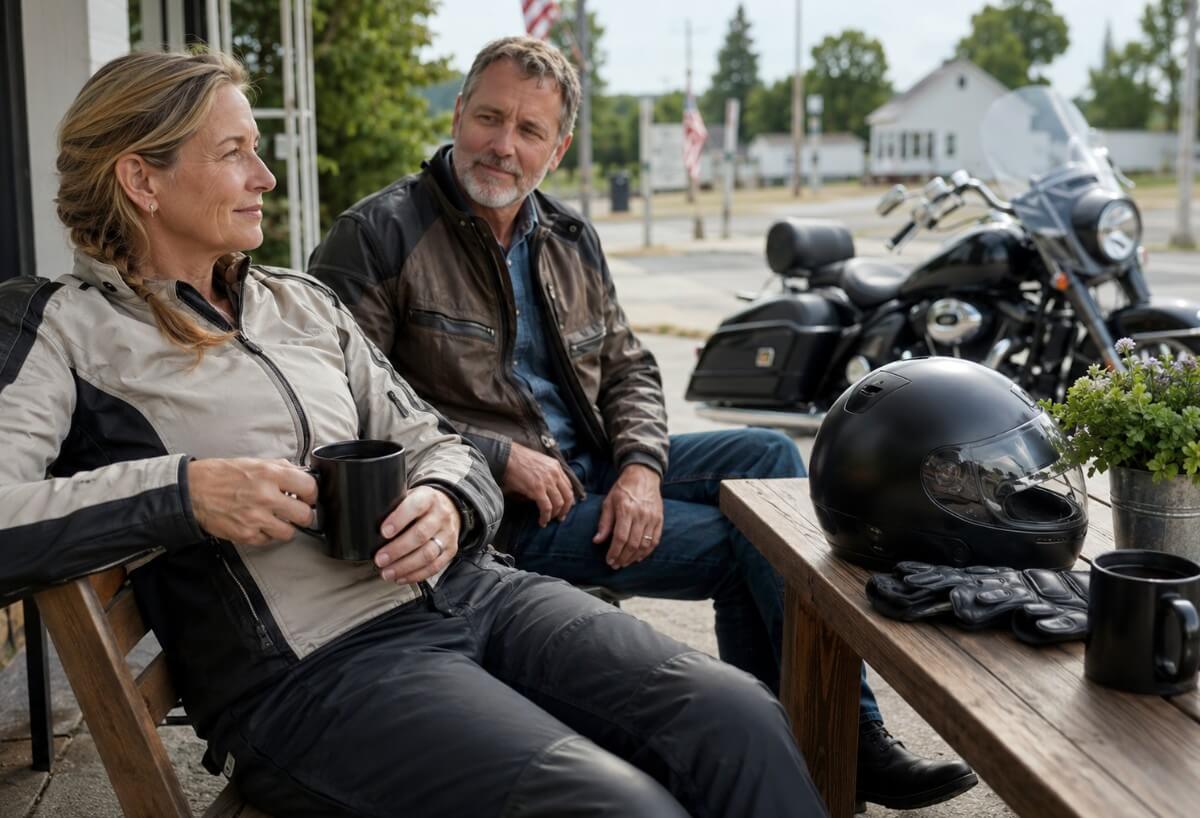
What riders should avoid with new passengers
Sometimes helping a passenger feel safe is about what you don’t do.
With a new passenger, avoid anything that makes the ride feel unpredictable: sudden acceleration, unnecessary hard braking, fast corner entries, close overtakes, surprise detours, dismissive jokes about fear, or extending the ride without asking.
None of this means you’re a bad rider if you’ve done one of these things before.
It means passenger-aware riding asks for a different mindset.
You’re not just riding the motorcycle.
You’re looking after the experience of the person who trusted you enough to get on the back.
What to say to a nervous new passenger
The right words can make a new passenger feel safer before the motorcycle even moves.
Here are some simple phrases that help:
| Instead of saying | Try saying |
| “You’ll be fine.” | “We’ll take it gently.” |
| “Don’t worry.” | “Tell me if anything feels uncomfortable.” |
| “Just relax.” | “You don’t have to get it perfect.” |
| “I know what I’m doing.” | “I’ll ride smoothly and we can stop whenever you need.” |
| “It’s not scary.” | “It can feel strange at first, and that’s okay.” |
| “You’ll get used to it.” | “We’ll build up slowly.” |
| “Are you ready yet?” | “Take your time.” |
A nervous passenger doesn’t need to be talked out of their feelings.
They need to know those feelings won’t be used against them.
That’s what makes honesty possible.
If your passenger panics anyway
Even with the best preparation, a passenger may still panic.
That doesn’t mean you failed.
It means the ride reached their limit.
If that happens, stay calm, keep the motorcycle smooth, and stop somewhere safe as soon as practical.
Don’t argue while you’re still moving, don’t take it personally, and don’t treat it as drama.
Once stopped, give them time.
Let them breathe.
Let them get off the bike if they need to.
Let their body catch up before you start asking too many questions.
When they’ve had a moment to settle, you can ask what happened and decide together whether to continue, change the ride, or go home.
I’ve covered that situation in more detail in what to do if a motorcycle passenger panics mid-ride.
The most important thing is what your passenger remembers.
They may not remember every bend, every road, or every detail of the ride.
But they will remember whether you stayed calm.
They will remember whether you listened.
And they will remember whether feeling scared made them feel safe with you — or embarrassed beside you.
That moment can either damage trust or quietly build it.
Handle it gently.
Final thoughts
A new passenger probably won’t judge a successful ride by how far you travelled, how exciting the road was or how confidently you handled the motorcycle.
They’ll judge it by whether they felt listened to, respected and able to ask you to slow down or stop without disappointing you.
Technical skill matters. But when you’re carrying a new passenger, the real test is how thoughtfully you use it.
The best first ride isn’t the one that shows them what the motorcycle can do.
It’s the one that shows them they can trust the person riding it.
FAQs
How can I help a new motorcycle passenger feel safe?
Help a new motorcycle passenger feel safe by riding smoothly, choosing an easy route, explaining what to expect, agreeing on a stop signal, and checking in before they have to ask.
Most of all, take their fear seriously.
A new passenger needs to know they can speak up without being mocked, dismissed, or pressured to keep going.
What should I tell a new motorcycle passenger before the ride?
Before the ride, explain how to get on and off, where to put their feet, where to hold on, what to do at stops, how to move with the bike in corners, and how to signal if they need to stop.
Keep it simple and reassuring.
Too much information can overwhelm them.
What is the best first ride for a new motorcycle passenger?
The best first ride is short, calm, and easy to stop.
Choose familiar roads, light traffic, good weather, gentle corners, and a low-pressure destination.
A short ride that ends well is much better than a long ride that leaves the passenger exhausted, scared, or reluctant to try again.
Should a rider go slower with a new passenger?
Yes, usually.
A new passenger experiences speed, braking, cornering, and acceleration very differently from the back seat.
Even if the rider feels completely in control, the passenger may feel overwhelmed.
Slower, smoother riding helps them build trust.
How often should I check in with a new passenger?
Check in before the ride, at early stops, and after the ride.
You don’t have to make it awkward.
Simple questions like “How are you doing?” or “Was that pace okay?” can help the passenger speak up before small discomfort turns into fear.
What should a rider not do with a nervous passenger?
A rider shouldn’t show off, accelerate suddenly, corner aggressively, overtake unnecessarily, tease the passenger, dismiss fear, or push them to keep riding when they want to stop.
A nervous passenger needs predictability and respect more than excitement.
What if my passenger says the ride felt scary even though I was riding safely?
Listen first.
You may have been riding safely from a technical point of view, but the passenger’s experience still matters.
Ask what felt scary and what would help next time.
The goal isn’t to prove you were right.
The goal is to make the next ride feel safer from the back seat.
How can I stop my passenger from panicking?
You can’t guarantee a passenger won’t panic, but you can reduce the chances by riding smoothly, agreeing on a stop signal, taking breaks, avoiding overwhelming routes, and letting them speak up early.
If panic happens anyway, stop safely, stay calm, and don’t shame them.
Is it better to use an intercom with a new passenger?
An intercom can help because the passenger can tell you early if something feels wrong.
But it can also be distracting if there’s too much talking.
Whether you use an intercom or not, agree on a simple stop signal before the ride.
How do I know if my passenger is actually comfortable?
Don’t guess based only on silence.
Ask.
A passenger may look calm but be concentrating hard, feeling nervous, or trying not to bother you.
Check their body language too: stiff shoulders, a tight grip, reluctance to continue, or unusual quietness can all be signs they’re not as comfortable as they seem.
Further reading
If your passenger is new, nervous, or still deciding whether riding is something they actually enjoy, these are good next reads:
What First-Time Motorcycle Passengers Are Afraid to Say Out Loud
This is a good one for riders who want to understand what may be going on inside a quiet passenger’s helmet — especially the worries they might not feel brave enough to say.
How to Feel More Confident on a Motorcycle (For Passengers)
Send this to a passenger who wants a calm, practical way to feel safer on the bike without being told to “just relax.”
When a Motorcycle Passenger Starts to Trust the Rider
This is the natural next step if you want to understand how trust is built slowly through small, respectful riding choices — not one big dramatic moment.
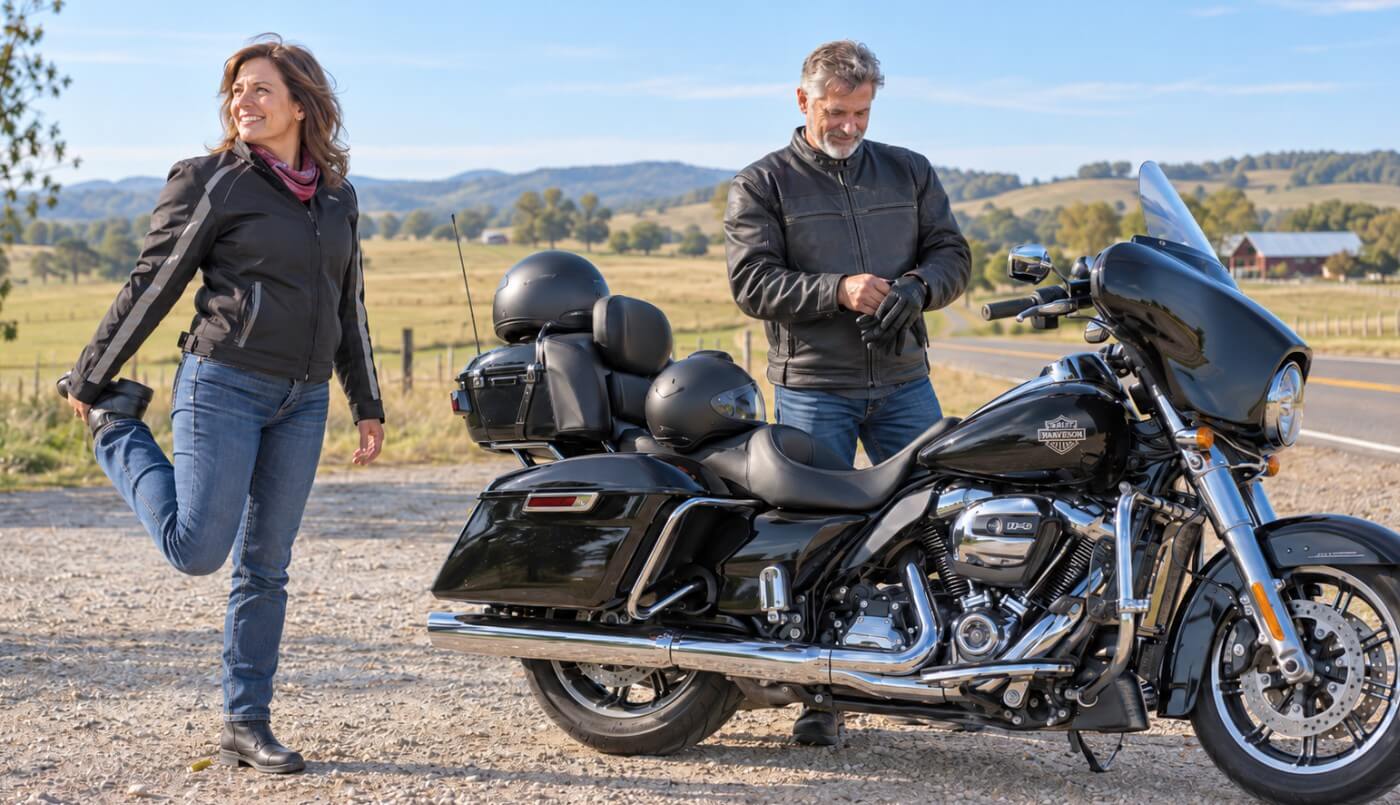
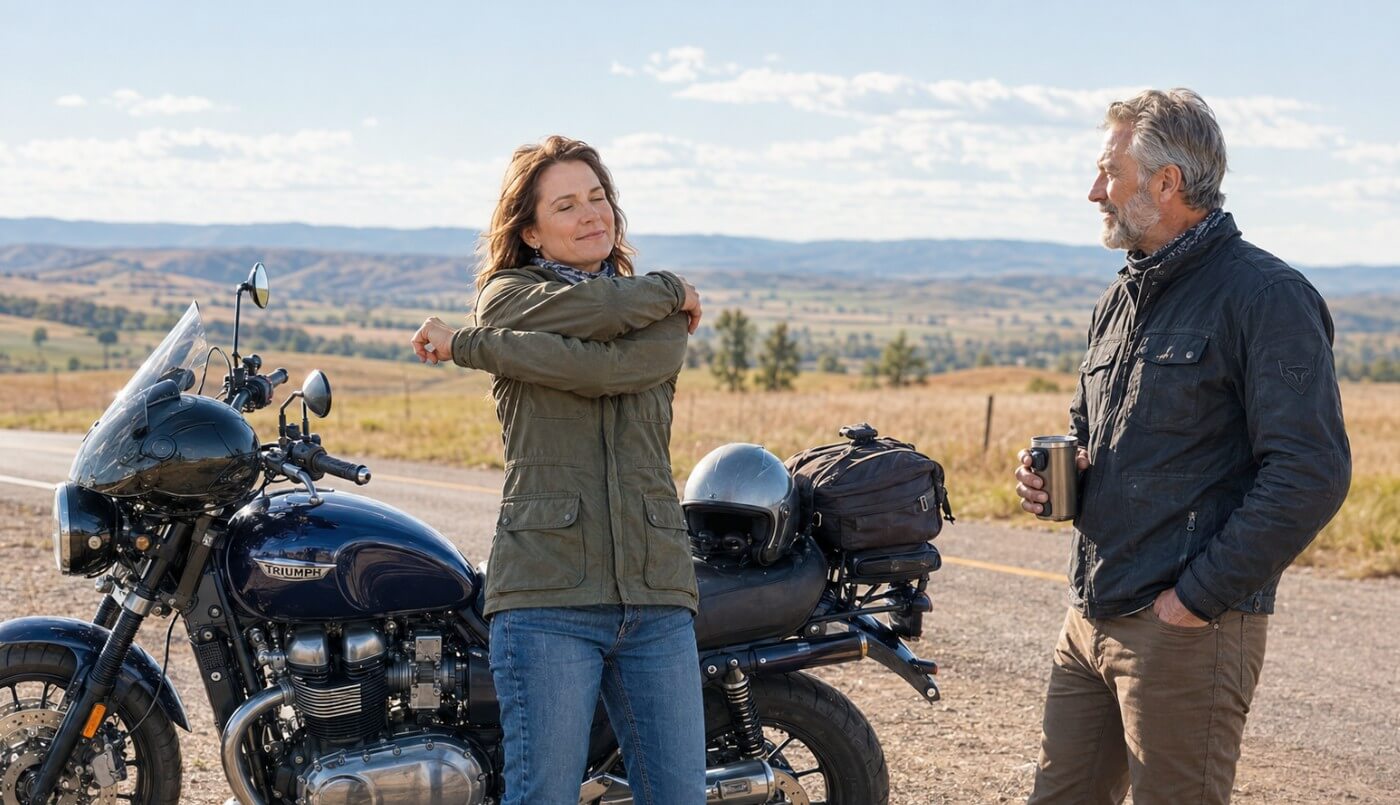
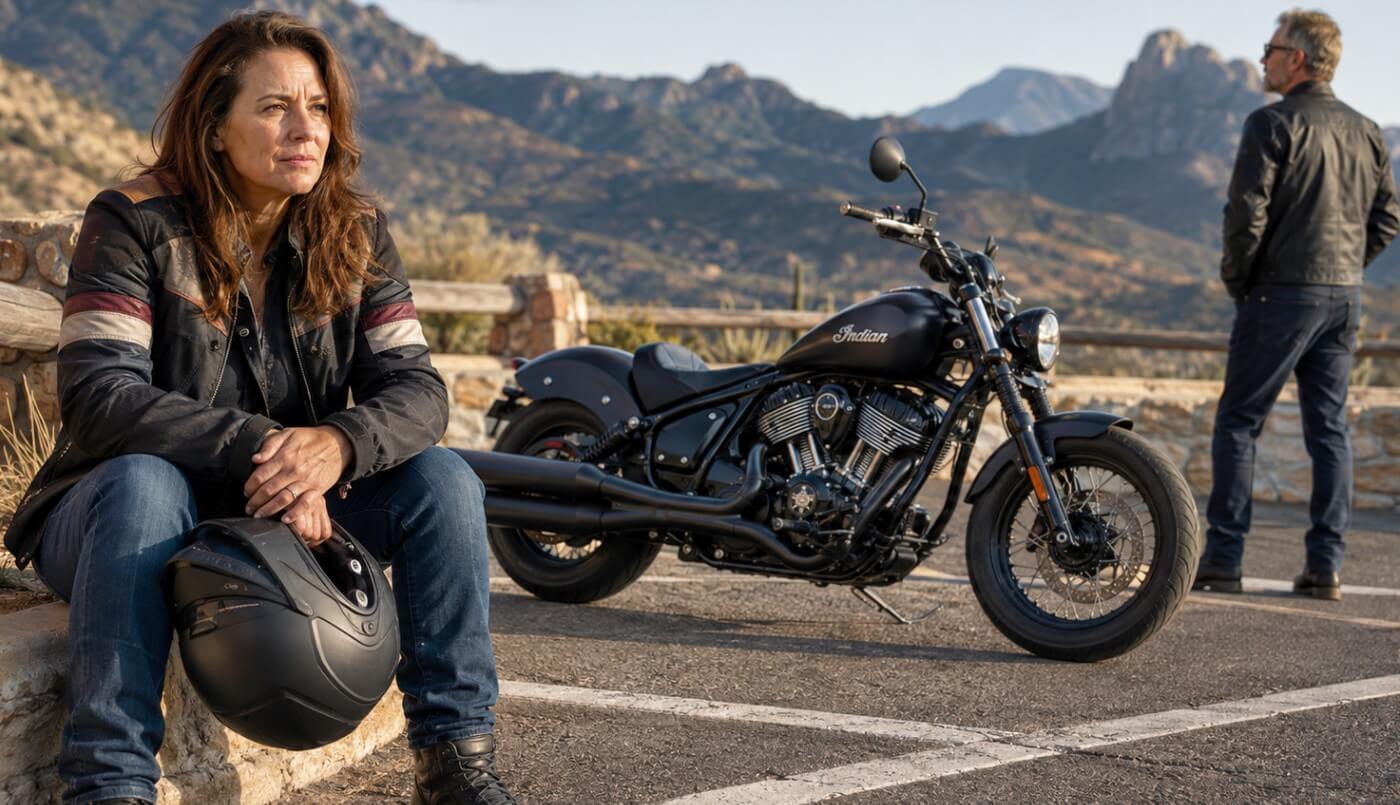
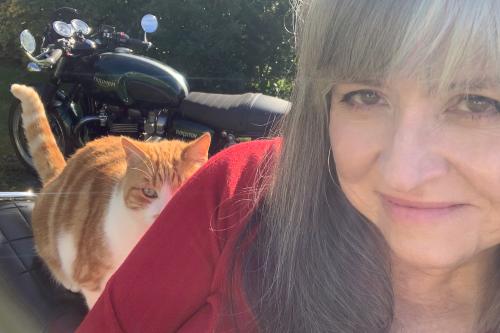
New passengers may forget parts of the route, but they usually remember how the rider made them feel.
What helped you feel safe during your first few rides—or what do you wish your rider had done differently?
For more support from the passenger’s point of view, read How to Feel More Confident on a Motorcycle (For Passengers).