

Updated for 2026 to reflect current motorcycle passenger comfort guidance and the most common causes of pillion riding headaches.
A motorcycle headache can completely wreck a perfect riding day.
Like any kind of pain, it drains the joy out of something you were looking forward to — whether you’re controlling the motorcycle or sitting on the passenger seat behind someone you trust.
Motorcycle headaches affect riders and passengers in different ways.
Riders tend to notice headaches from wind noise, long-distance fatigue, or helmet pressure.
Passengers often experience them from posture tension, communication strain, or absorbing movement they don’t control — especially if you’re still learning how to relax on the back of a motorcycle.
And if a headache becomes severe, it can even become dangerous.
Riders need focus and fast reactions, while passengers need balance, communication, and awareness.
A pounding head makes all of that harder.
The good news?
Motorcycle headaches are incredibly common — and most of the time they’re preventable.
Motorcycle passengers get headaches most often from dehydration, helmet pressure, wind noise, muscle tension, and eye strain from glare. Because passengers absorb movement without controlling speed or direction, neck and shoulder tension can build quickly — especially on longer rides.
On longer motorcycle road trips, this tension builds even faster — especially across several consecutive riding days.
In most cases, small adjustments to helmet fit, hydration, noise reduction, and riding pace usually solve the problem.
So whether your head starts aching before you leave home or halfway through a ride, here’s what’s really causing it… and what you can safely do about it.
What Causes Motorcycle Headaches?
Headaches on a motorcycle rarely come from just one thing.
Usually it’s a combination of:
- Dehydration
- Helmet pressure or poor fit
- Wind noise and vibration
- Eye strain from glare
- Stress or riding anxiety, or
- Poor airflow inside a helmet.
Passengers often experience headaches slightly differently from riders.
You’re not controlling speed or direction.
You absorb bumps differently.
And if you’re tense — especially as a newer passenger — neck muscles tighten without you realising.
That tension alone can trigger headaches.
When Headaches Are Part of a Bigger Comfort Problem
Sometimes a headache isn’t really about your head at all.
Passengers often notice headaches appearing alongside:
- neck pain after longer rides
- shoulder tension from gripping too tightly
- anxiety about corners or speed, and
- helmets that don’t quite fit properly.
When your body feels tense or unsupported, muscles tighten without you noticing — especially across the neck and shoulders.
That tension travels upward.
Building confidence on the motorcycle often reduces physical tension more than people expect.
If headaches happen regularly, it may be worth looking at your overall comfort on the motorcycle rather than just treating the pain itself.
10 Things That Can Help a Motorcycle Headache
The worst thing you can do is simply hope the pain disappears.
Trying to manage corners, traffic, or communication while your head pounds away is miserable — and unsafe.
Instead, take action early.
Try some of these simple, fast fixes.
1. Drink Some Water
Dehydration is one of the most common causes of motorcycle headaches.
Heavy riding gear traps heat.
Helmets reduce airflow.
Even cold weather riding can dry you out because you simply forget to drink.
So take a drink of water before leaving home.
Bring your own water bottle in a bag or tank pouch so you can reach it easily.
And every time you stop, top up your fluid levels.
It sounds simple — but many people discover this alone solves the problem.

2. Take a Non-Drowsy Painkiller
Sometimes relief really is as simple as taking a couple paracetamol or ibuprofen.
Take the medication early, before the headache becomes severe.
But avoid anything that causes drowsiness or slowed reactions.
You want to be pain-free, but alert every single time you climb aboard the motorcycle.
Slip a couple of tablets into your jacket pocket or tank bag before leaving home — especially on longer rides where pharmacies may be hours away.
3. Caffeine Can Help
A strong cup of coffee or tea can ease headaches surprisingly quickly.
If you enjoy coffee, a stronger one can sometimes help ease the pressure.
Caffeine helps blood vessels constrict and improves alertness at the same time.
And if it’s a hot day and you can’t face a hot coffee, try an iced one.
It also means more liquid – particularly helpful on hot days because you’re also rehydrating.
And as a bonus: it’s a great excuse to stop at your favourite café.
4. Protect Your Eyes From Glare
Bright sunlight alone can trigger headaches.
Depending on where you live and ride, sometimes the quality of the light is really harsh.
The glare can make you wince as it bites into your brain.
Squinting increases facial and scalp muscle tension — and that tension builds fast under a helmet.
Good options include:
- Drop-down tinted helmet visors
- Proper wrap-around sunglasses inside open-face helmets
- Choosing routes where the sun isn’t directly in your eyes for hours.
Choosing a helmet designed for comfort makes a huge difference, especially if you ride often.
A well-fitted option from this guide to the best motorcycle helmets for passengers can dramatically reduce pressure and noise fatigue
5. Wear a Comfortable Helmet
Helmet fit is one of the biggest hidden causes of headaches.
If your helmet’s too tight, it feels like your head is in a vice.
And a helmet that’s too loose will move constantly, knocking against your skull every bump in the road.
So, to help with a motorcycle headache, your helmet needs to:
- Fit comfortably – not too loose, and not too tight
- Ideally be full face – so you can close the visor
- Include some kind of eye protection – to cut down on glare, and
- Protect your ears – the noise of the motor and the wind will make you feel worse when you have a motorcycle headache.
If every ride ends with a headache, your helmet may be the wrong size – or simply be the wrong shape for your head.
It may be time to look at a helmet designed for your head shape rather than simply the right size.
Many passengers are surprised to discover that recurring headaches are often the first sign a helmet isn’t working for them.
Pressure points, trapped heat, and constant wind noise fatigue can build slowly over a ride without being obvious at first.
Choosing a helmet designed for comfort rather than simply style or price can make an enormous difference — especially on longer journeys.
This guide to the best motorcycle helmets for passengers explains what to look for if comfort has become a problem.
Comfort also comes from the rest of what you’re wearing — layers that trap heat or restrict movement can make headaches worse on longer rides.
Here’s what motorcycle passengers should wear for safety and comfort.

6. Reduce Noise Wherever Possible
Riding on the back of a motorcycle places you right in the middle of a relentlessly loud environment.
That’s a bit of a problem on a motorcycle!
Riding on a motorcycle is not like reading quietly in perfect silence in a corner of the public library, is it?
No-one is saying SHHH! when you’re out on the open road.
There’s noise coming from EVERYWHERE:
- The traffic all around you
- The motorcycle’s engine and exhaust note
- The screaming of the wind in your ears
- Rider to passenger intercom, and of course
- Any music you may have pumping into your ears.
This might not be the time to have AC/DC’s greatest hits thumping through your earbuds.
Something a little more soothing may help, or even better…
Wear earplugs.
They cut down on ALL the sounds being funnelled into your ears, making for a quieter, less jarring ride.

7. Increase Airflow
A stuffy helmet can just feel like sitting in a closed room with no windows.
So open the helmet vents on the top and front, and let the air flow over your face.
If you’re wearing earplugs, you can even crack open the visor a little to increase the airflow further without being battered by the shrieking of the rushing wind.
Breathe deeply and calmly, and let the oxygen flow into your pounding head.
Fresh airflow reduces heat buildup and helps oxygen flow — both of which ease tension headaches.
8. Choose Your Route Carefully
Heavy traffic is exhausting even on a good day.
But with a headache?
It can feel unbearable.
Noise, fumes, constant braking and aggressive drivers increase stress hormones quickly.
If you’re not feeling 100%, whenever possible:
- Leave the city.
- Choose quieter back roads.
- Give yourself space to relax into the ride again.
Sometimes the road itself is part of the remedy.
9. Pick a Calming Destination
And while you’re choosing a quieter road, that goes double for deciding where you’ll end up.
Ending a ride at a crowded, noisy location rarely helps.
Headaches almost always prefer quiet.
Instead, stop somewhere peaceful, where you don’t have to shout to have a conversation.
A lake.
A park.
A quiet café with outdoor seating.
Sit under a tree with water and coffee.

10. Avoid Extra Stress
Stress tightens muscles across your neck and shoulders.
Passengers especially may not notice they’re clenching muscles during corners or high speeds.
Avoid obvious stress triggers when you’re already uncomfortable:
- Rush hour traffic.
- Impossible parking.
- Loud environments.
And yes…
Maybe today isn’t the day to ride with Malcolm — the well-meaning friend who insists on explaining why his bike is better than yours.
Most of the time, you might try to tolerate him, and be kind.
But not today, Malcolm, not today.
What If It’s a Motorcycle Migraine?
If your headache becomes severe, it can make riding unsafe.
You may have warning signs like:
- Blurred vision
- Nausea, or
- Light sensitivity.
That means a migraine is developing.
It’s time to postpone the ride, or stop somewhere safe and rest.
There’s no loss of pride in choosing comfort over pushing through pain.
Sometimes choosing not to ride is the safest decision you can make.
Motorcycling should never feel like an endurance test, or a form of punishment.
You’ll enjoy the rescheduled ride far more when you feel well again.
And if symptoms feel unusual or severe, seeking medical advice is always the safest option.
Motorcycle Headaches Don’t Have to Ruin the Ride
It’s so disappointing to wake up excited for a ride — only to feel a headache coming on.
But most motorcycle headaches respond quickly to simple changes:
- Water
- A shot of caffeine
- Fresh air
- Noise reduction, and
- A comfortable helmet.
Take action early instead of hoping the headache will disappear.
A drink of water, a couple of painkillers, some strong coffee, and a quiet roadside break might be all it takes to reset the day.
Because riding — especially from the passenger seat — should feel good.
If discomfort keeps appearing, small adjustments to posture, gear, and communication can change everything.
Many passengers are surprised how quickly things improve once they understand how to make a motorcycle passenger seat more comfortable.
FAQS
Can riding a motorcycle cause headaches?
Yes.
Wind noise, dehydration, helmet pressure and muscle tension can all trigger headaches for both riders and passengers, especially during longer rides or hot weather.
Why do I get headaches as a motorcycle passenger?
Passengers often develop headaches from helmet pressure, wind noise, dehydration, or muscle tension caused by holding posture during corners and braking.
Can a motorcycle helmet cause headaches?
Yes.
Helmets that are too tight, too loose, or the wrong internal shape can create pressure points or excessive movement that trigger headaches.
Are earplugs safe for motorcycle riders and passengers?
Yes.
Proper motorcycle earplugs reduce wind noise fatigue without blocking important environmental awareness.
Should I ride with a migraine?
No.
Severe headaches or migraines reduce concentration and reaction time.
It is safer to postpone riding until symptoms improve.
Further Reading
If headaches are part of a bigger comfort problem, these guides can help you enjoy riding again:
- What Should Motorcycle Passengers Wear? Safety, Comfort and Confidence Guide
The right clothing makes a surprising difference to fatigue, temperature control, and overall comfort on the motorcycle. - Best Motorcycle Helmets for Passengers
Helmet fit affects noise levels, airflow, and pressure points — all major contributors to headaches. - What First-Time Motorcycle Passengers Are Afraid to Say Out Loud
Many comfort problems begin with things passengers don’t realise they’re allowed to ask for.
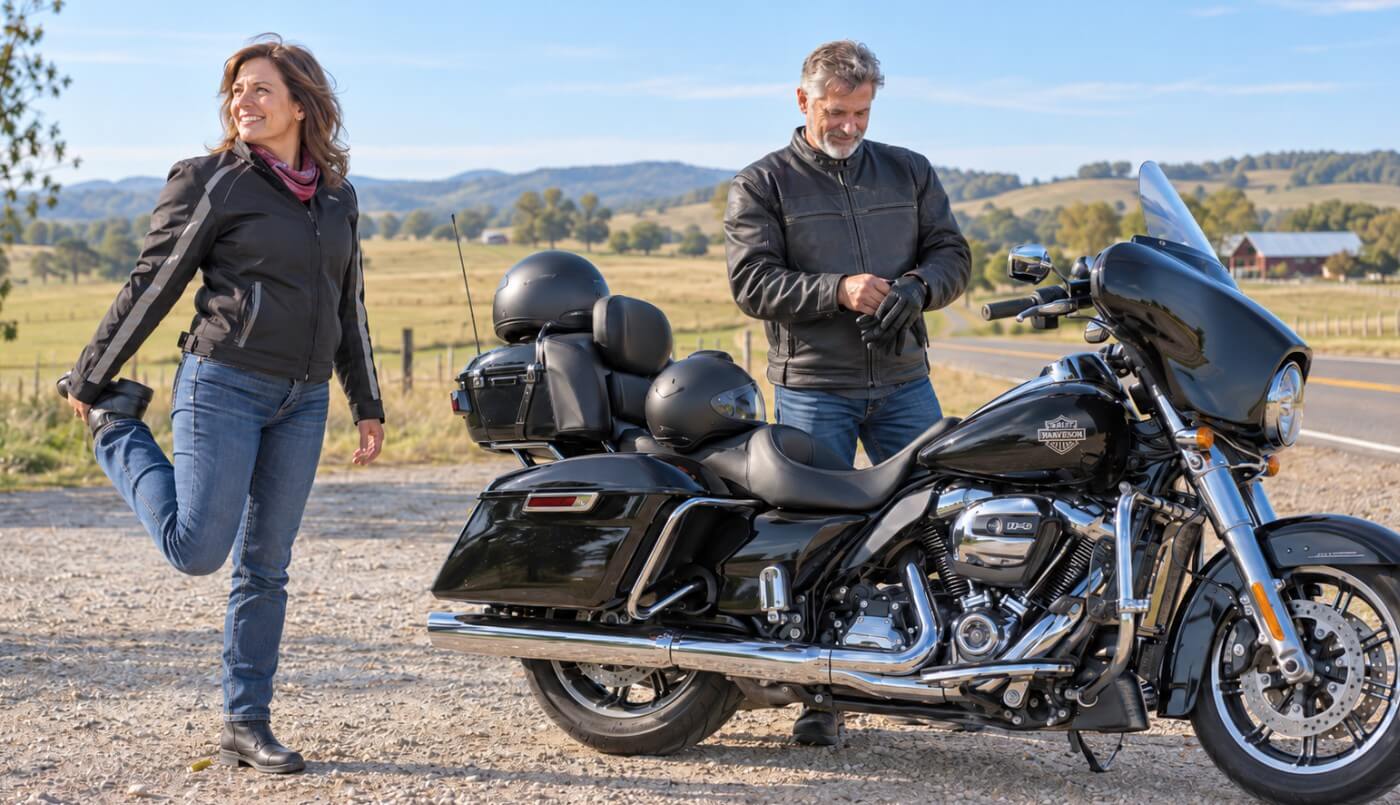

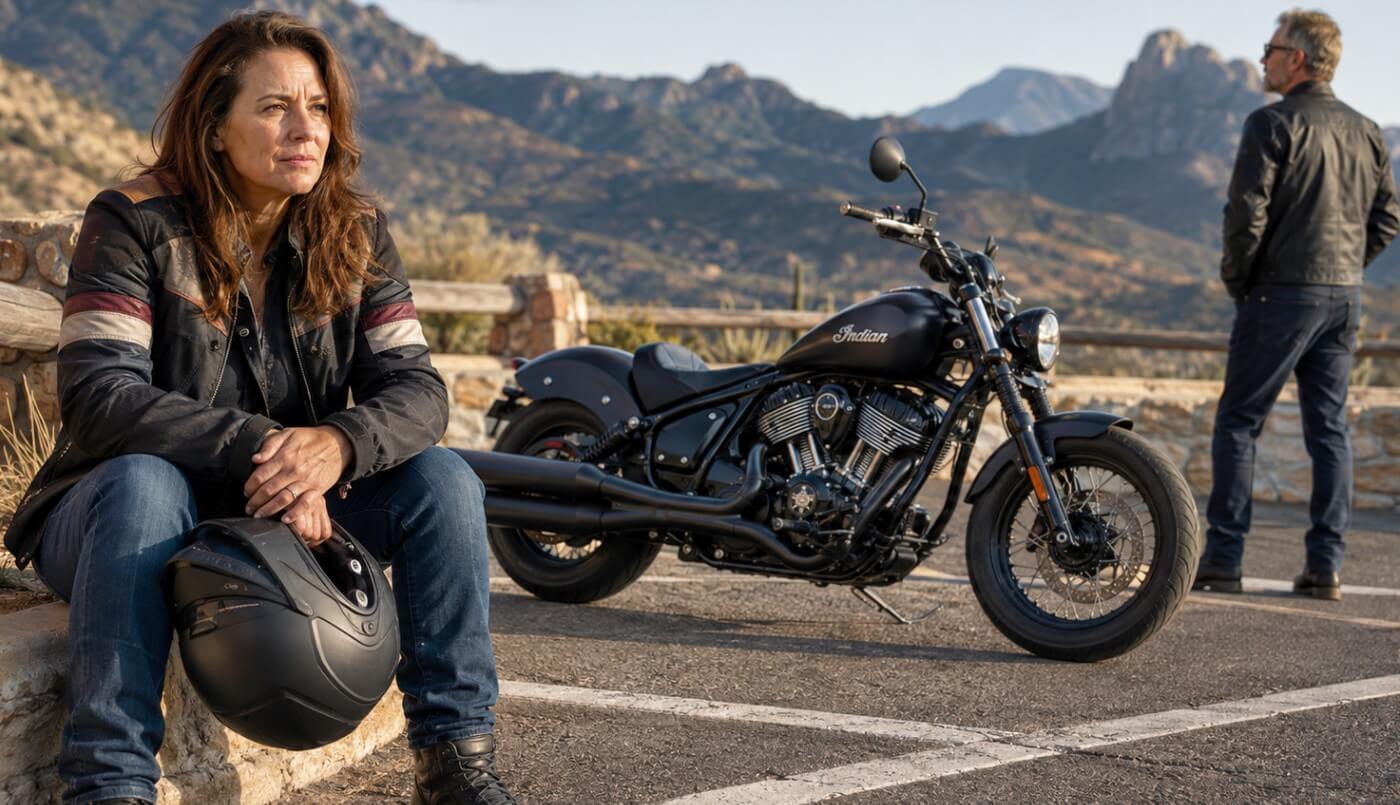

Headaches can take the joy out of a ride so quickly. What starts as “just a bit uncomfortable” can build into pressure, tension, noise overload, or physical strain that leaves a passenger counting the minutes until the ride ends. If that felt familiar, read How to Make a Motorcycle Passenger Seat WAY More Comfortable next — because small comfort changes often fix more than people expect, including the kind of body tension that can quietly trigger headaches.