

To be a happy, relaxed motorcycle passenger, you need to trust the rider.
This is the foundation of a positive riding experience.
But trust on a motorcycle takes time to develop.
There’s no announcement.
No clear line you cross.
No moment where you think, Ah yes — now I trust you.
Trust arrives quietly.
It builds little by little, until one day you look back and realise something fundamental has shifted.
Trust doesn’t usually happen on the first ride
People assume trust happens early.
But the first rides are usually about endurance, not trust.
Your body is busy:
- scanning movement
- bracing against unfamiliar forces
- learning the rhythms of the motorcycle, and of course
- managing fear.
That state doesn’t leave much room for trust to grow.
Trust needs repetition.
It needs patterns that repeat without incident.
It needs your nervous system to gather enough data to decide that the experience is survivable, predictable, and not constantly demanding your full attention.
Until that happens, your body stays alert — even if your mind is trying to be relaxed.
This is exactly what many first-time motorcycle passengers are afraid to say out loud.
The moment is physical, not intellectual
After a few rides, there’s a moment when a passenger realises they trust the rider.
There’s less mental noise and panic.
But there are also physical signs that trust is beginning to grow:
- Your shoulders drop.
- Your jaw unclenches.
- Your grip loosens without you deciding to loosen it.
- Your breathing changes.
Nothing dramatic happens.
What changes is your body’s relationship to the experience.

Trust grows where boundaries are respected
Trust grows when:
- rides are cancelled because conditions feel wrong
- your comfort is considered
- you don’t have to justify saying “no”
- your limits are treated as real, not “high maintenance”.
This is why knowing when NOT to ride on the back of a motorcycle is such an important part of the passenger experience.
Trust isn’t created by pushing harder.
It’s created by stopping when needed.
It’s easier to trust when you’re comfortable
If you’re sliding forward, bracing constantly, fighting the seat, or in pain, your nervous system stays on guard.
Discomfort keeps your body alert even when nothing dangerous is happening.
That’s why fixing seat comfort is often the moment trust finally settles in.
Passengers often think trust is emotional.
But very often, it’s physical.
The rider may never notice
The rider often has no idea when trust arrives.
To him, the ride feels the same as it always has.
From his perspective, nothing changes.
From yours, the world softens.
The road feels predictable.
The movement makes sense.
The closeness feels safe instead of overwhelming.
You stop monitoring every sensation and start experiencing the ride as a whole.
Trust doesn’t remove fear — it reframes it
Trust doesn’t eliminate fear.
What it does is change how fear feels.
Fear moves from centre stage to background noise.
You still respect speed, weather, and traffic — but fear no longer dominates the experience.
And this is often when passengers begin to feel more confident on a motorcycle.

With trust, riding becomes appealing
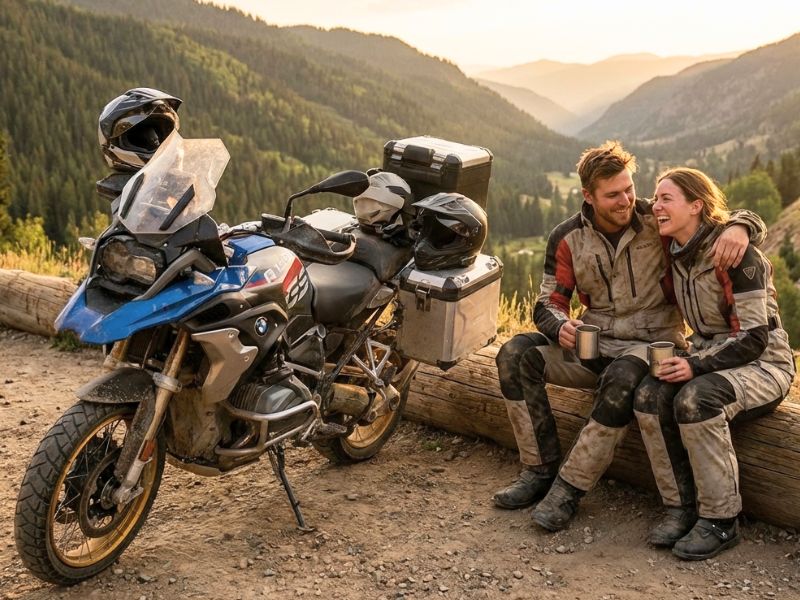
Once there is trust, riding pillion stops being something you endure.
And then, you start:
- enjoying moments instead of surviving them
- noticing scenery again
- feeling connection rather than hyper-vigilance.
This is often the point where riding pillion becomes something you look forward to.
What if trust never develops?
Not everyone reaches the point of trusting the rider.
That is not a failure.
Trust is personal. Riding is optional.
Trust is not something you owe a rider.
It either grows naturally — or it doesn’t.
But if and when it does, you’ll know that it’s genuinely safe enough to let go, and trust that the rider has you covered.
FAQs
How long does it take to trust a motorcycle rider?
Trust grows through repeated, calm experiences.
For many passengers, it takes several short rides in good conditions.
Can trust be lost once it’s established?
Yes.
Ignored boundaries, reckless behaviour, or discomfort can undo trust quickly.
Does physical comfort affect trust?
Absolutely.
Discomfort keeps the nervous system alert and makes trust harder to develop.
Is it OK if trust never fully develops?
Yes. Riding pillion is optional, and trust cannot be forced.
What are the first signs that trust is forming?
Relaxed posture, lighter grip, easier breathing, and less mental chatter during the ride.
Can a rider help trust develop faster?
Yes — by riding smoothly, respecting limits, communicating clearly, and prioritising passenger comfort.
Further reading for motorcycle passengers
If this describes what you’re starting to feel, these will help you understand the fear, the boundaries, and the comfort that make trust possible:
- What First-Time Motorcycle Passengers Are Afraid to Say Out Loud
The hidden thoughts and worries almost every new passenger has. - When NOT to Ride on the Back of a Motorcycle
Because trust grows where boundaries are respected. - How to Make a Motorcycle Passenger Seat WAY More Comfortable
The practical fixes that remove one of the biggest barriers to trust.
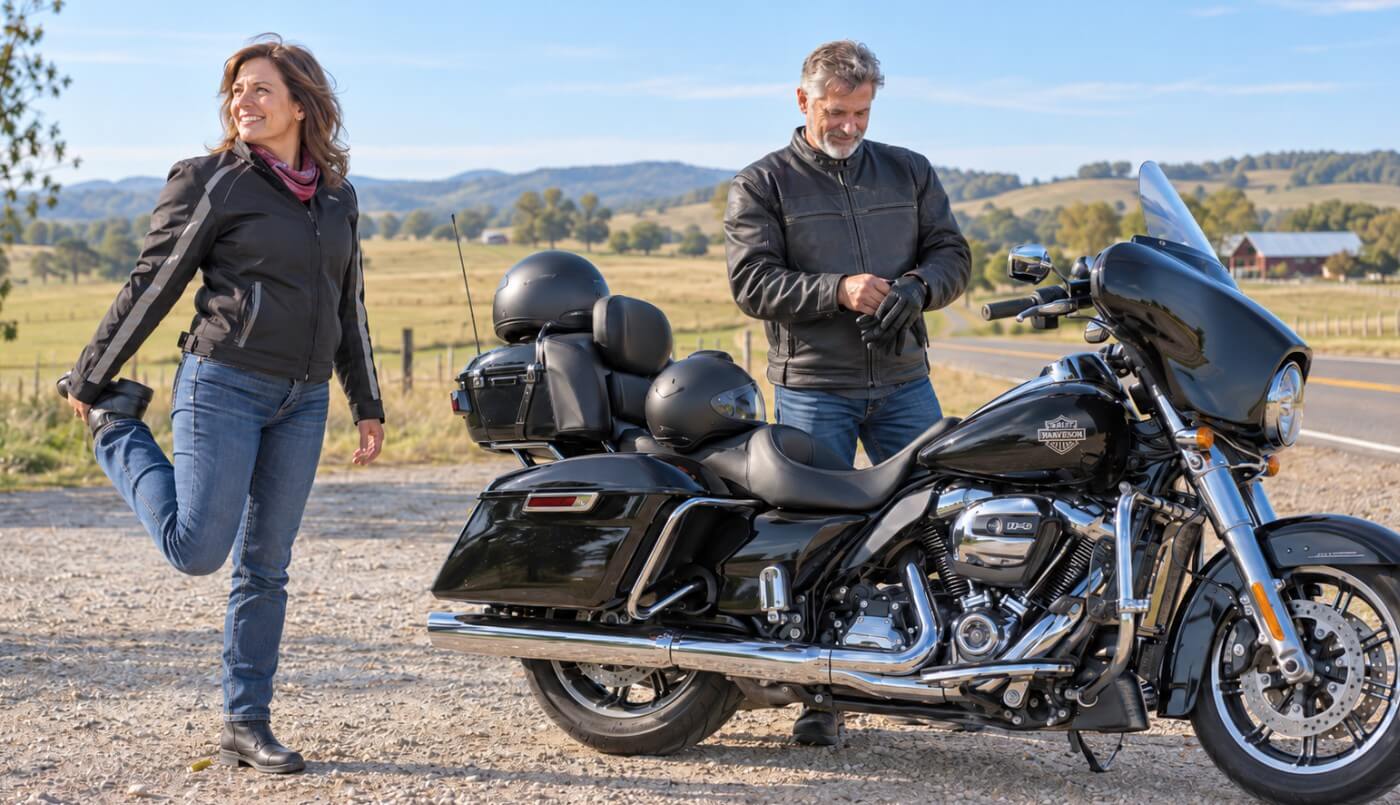
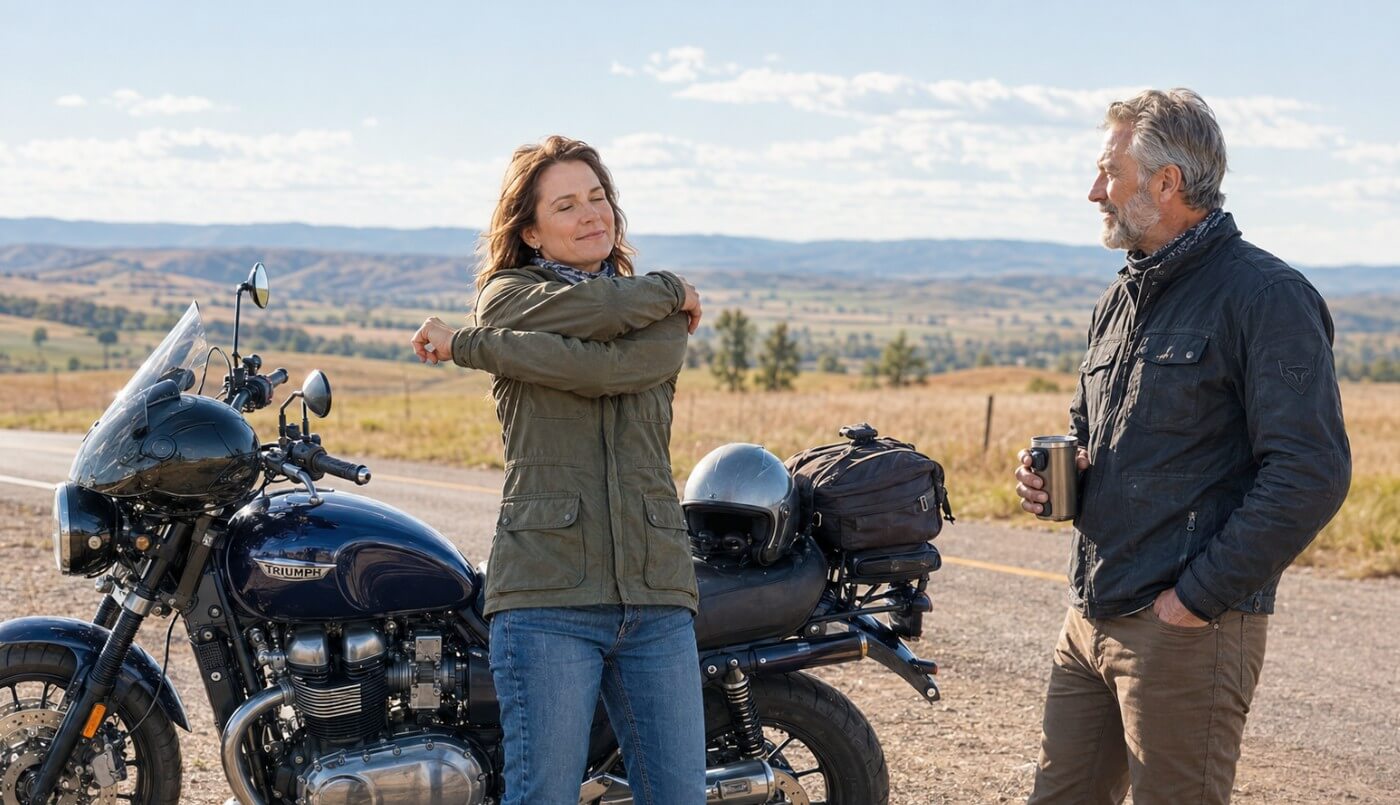
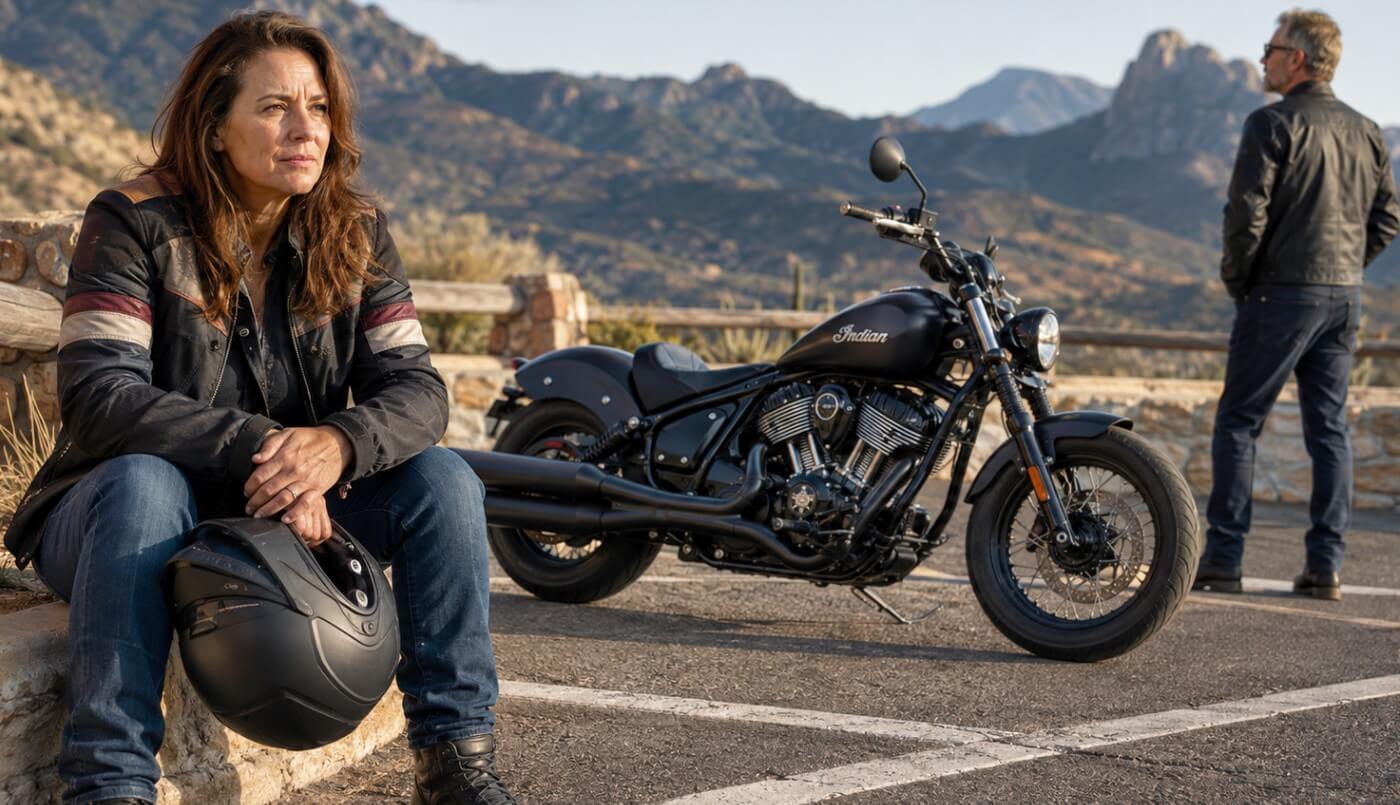
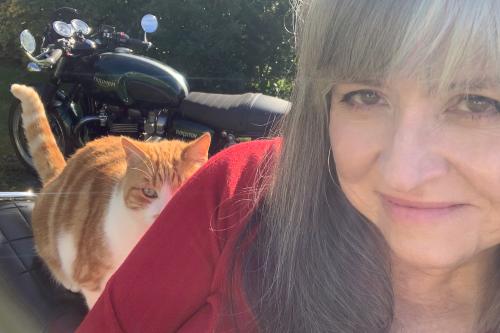
One of the quiet turning points for a passenger is realising trust does not come from being told to relax — it comes from feeling safe enough to do so. If you’re still working out communication, boundaries, or how confidence grows on the back of a bike, these may help too: How to Feel More Confident on a Motorcycle (for Passengers) and When NOT to Ride on the Back of a Motorcycle.