

Updated for 2026 to reflect current motorcycle passenger advice, comfort insights, and safety guidance.
Riding on the back of a motorcycle is not just a way of getting from A to B.
It’s a full-body, full-brain experience that combines trust, vulnerability, exhilaration, and connection in a way few other activities do.
The first time you do it, it can feel like you’ve suddenly grown wings.
The world rushes toward you.
The engine vibrates through your chest.
The road feels closer, louder, faster.
It’s intoxicating.
It’s thrilling.
And yes—until your brain learns what’s going on—it can also be mildly terrifying.
That combination is exactly why riding pillion leaves such a deep impression.
You are not experiencing motorcycling the way the rider does.
You’re experiencing it in a completely different way.
And almost nobody talks about that.
The Passenger Experience Nobody Talks About
Most motorcycle content is written by riders.
That makes sense.
They’re the ones buying the bikes, choosing the gear, and arguing about horsepower over coffee.
But it also means the passenger experience is wildly misunderstood.
Riders tend to talk about speed, power, lean angles, engines.
Passengers tend to think about trust, safety, comfort, fear, intimacy—and, very often, where on earth they’re supposed to put their hands.
These are not the same conversations.
So when passengers feel anxious, overwhelmed, or strangely emotional on the back of a bike, they often assume something is wrong with them.
There isn’t.
They’re just having a different experience.

What Riding Pillion Actually Feels Like
Riding on the back of a motorcycle feels exposed and freeing at the same time.
You’re out in the world, not enclosed by metal and glass.
The air moves around you.
You feel temperature changes instantly.
You smell rain before it falls and hot asphalt before you see it.
It also feels intimate.
You’re physically close to the rider.
You move together.
You lean together.
At times, it can feel surprisingly tender.
And at first, it can feel disorienting.
You’re not in control.
You’re not steering, braking, or scanning traffic.
You are trusting another human being to do all of that while you stay balanced on a machine that feels very much alive.
For many people, that surrender of control is the hardest part.
Why Being a Passenger Feels So Intense
Your brain is designed to keep you alive.
When you’re riding pillion, your brain knows you’re moving fast, but it isn’t the one making decisions.
So it gets busy.
Passengers often experience heightened awareness, strong emotional reactions, and a constant low-level internal commentary that sounds something like:
Is this normal? Are we okay? Should it feel like this?
This isn’t weakness. It’s processing.
In fact, passengers are often processing more than riders.
Riders are focused on tasks.
Passengers are taking in raw sensory information without the grounding effect of control.
That intensity can also create something unexpected: bonding.
Riding pillion requires trust, physical closeness, and shared risk.
Those conditions amplify connection—sometimes beautifully, sometimes uncomfortably, and often both at once.
It’s honest in a way few shared activities are.
Passenger Panic Is Normal (and Temporary)
Many new passengers feel tense at intersections, uneasy at speed, unsure in corners, and hyper-alert in traffic.
This doesn’t mean you’re bad at being a passenger.
It means your nervous system hasn’t built a safety map yet.
That map develops through repetition, communication, and comfort.
Over time, your brain learns what’s normal, what’s predictable, and what doesn’t require a spike of adrenaline.
For most people, fear gradually gives way to something else: calm.
Sometimes, unexpectedly so.
Why Some Passengers Love It Instantly (and Others Don’t)
Some people climb onto a motorcycle and immediately think:
Oh. This feels right.
That usually happens when they feel physically secure, emotionally safe, and comfortable surrendering control.
These passengers often describe riding as meditative or grounding almost from the start.
Others struggle at first.
That’s usually because something essential is missing—trust in the rider, physical comfort, clear communication, or a sense of what’s normal.
None of this is a character flaw.
It’s context.
Once those missing pieces are addressed, many initially nervous passengers become deeply enthusiastic ones.
Sometimes even more enthusiastic than the rider.
You Are Not a Passive Object
One of the biggest secrets no one tells passengers is this: you are not just cargo.
How you sit, how you breathe, how you move, and how relaxed you are all affect the ride.
Good pillions aren’t rigid statues clinging on for dear life.
They’re responsive.
They move with the bike.
They trust the process.
That awareness alone often shifts a passenger from fear into participation—and participation feels empowering.
Wind Therapy Isn’t Just for Riders
Riders talk a lot about “wind therapy,” but passengers experience it too—sometimes more intensely.
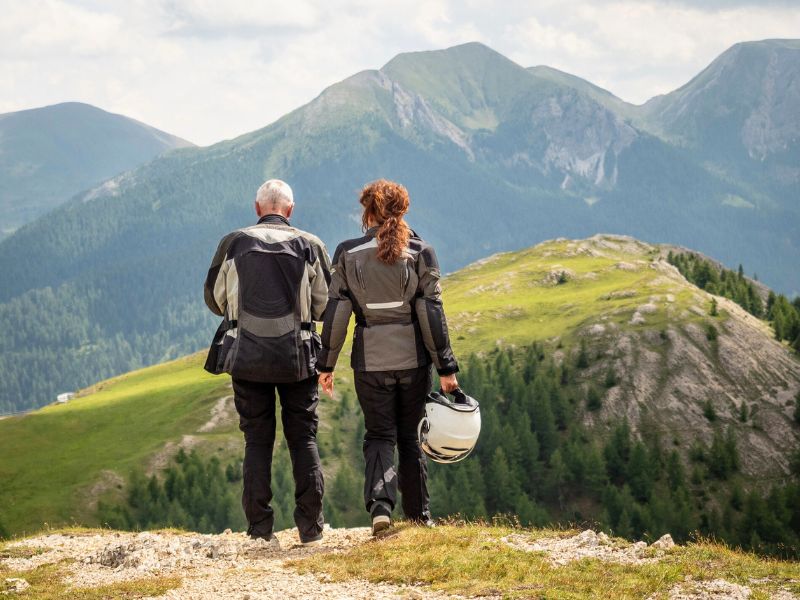
You’re not busy managing controls or traffic.
You’re fully present in the sensory experience.
The repetitive motion, the steady vibration, the rush of air can quiet mental noise in a way few other activities do.
Many long-time passengers describe riding as calming.
It slows breathing.
It softens tension.
It creates a rare kind of mental stillness.
This is why some passengers eventually fall asleep on the back of a bike—and why riding can feel strangely healing.
Comfort Changes Everything
If you’re physically uncomfortable, your brain stays on high alert.
No trust.
No relaxation.
No enjoyment.
Comfort isn’t indulgence—it’s a form of mental support.
A decent passenger seat, proper gear, protection from wind and noise: these aren’t luxuries.
They’re what allow your nervous system to stand down and let you enjoy the ride.
Once comfort is in place, many of the emotional challenges of riding pillion resolve themselves naturally.
The Truth About Riding on the Back of a Motorcycle
Riding pillion on a motorcycle isn’t like getting into a car.
It affects your senses, your body and mind – and yes, often your relationship.
You’re not weak for finding it intense.
You’re not dramatic for needing reassurance.
And you’re not “bad at it” if it takes time to adjust.
You’re processing risk, building trust, and learning presence—all at once.
That deserves respect.
And when it clicks—when fear softens into familiarity—riding on the back of a motorcycle can become one of the most meaningful shared experiences two people can have.
Frequently Asked Questions About Riding Pillion
Is riding on the back of a motorcycle scary?
It can be at first.
The lack of control and intensity of sensation often trigger fear early on.
With comfort, communication, and experience, that fear usually fades.
Why does riding pillion feel more intense than riding?
Passengers process more sensory input without a task-based focus.
That increases emotional and physical awareness, not weakness.
Do you have to be brave to ride pillion?
No.
Confidence comes from familiarity, trust, and comfort—not from forcing yourself to “toughen up.”
How long does it take to get used to riding on the back of a motorcycle?
Many passengers feel noticeably calmer after several short rides.
Full comfort varies from person to person and can take weeks or months.
Can riding pillion improve relationships?
Yes!
It requires trust, communication, and shared vulnerability, which can deepen emotional connection when handled well.
Further reading for motorcycle passengers
If you’re starting to understand what riding pillion really feels like, these will help you feel more confident, set better boundaries, and fix the practical issues that often get mistaken for fear:
How to Feel More Confident on a Motorcycle (For Passengers)
A practical guide to building calm, trust, and confidence once you know what to expect.When NOT to Ride on the Back of a Motorcycle
Because sometimes the smartest passenger decision is choosing not to ride at all.How to Make a Motorcycle Passenger Seat WAY More Comfortable
The simple changes that remove one of the biggest hidden causes of passenger tension.
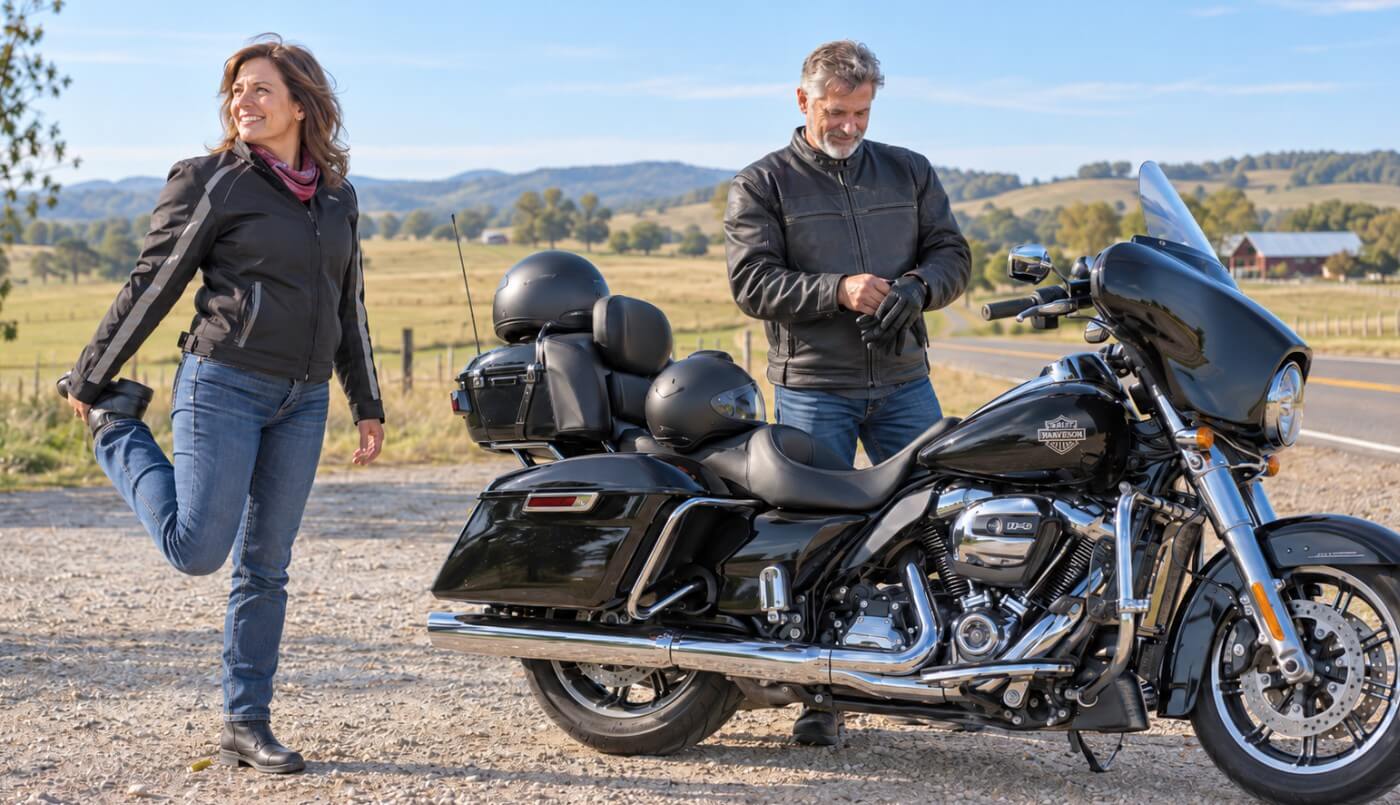
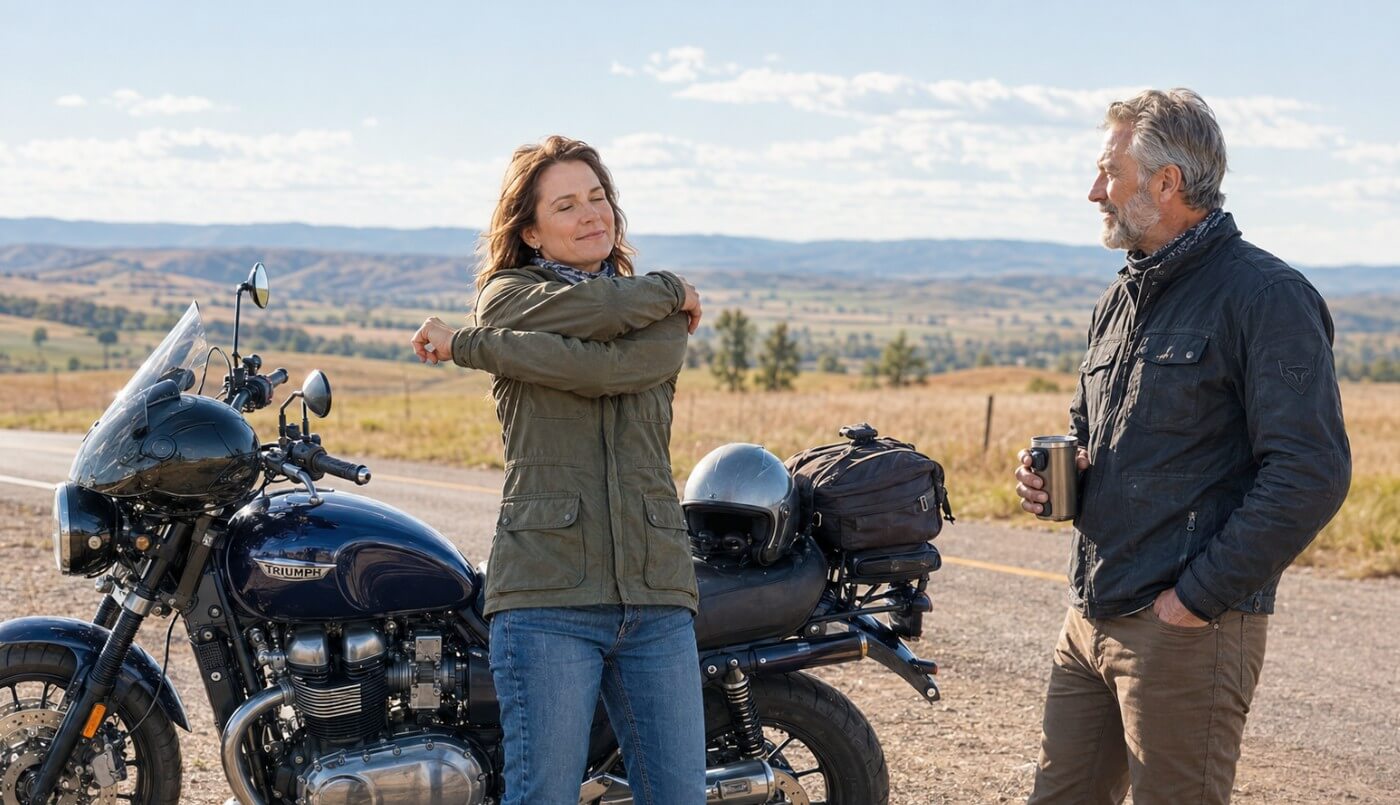
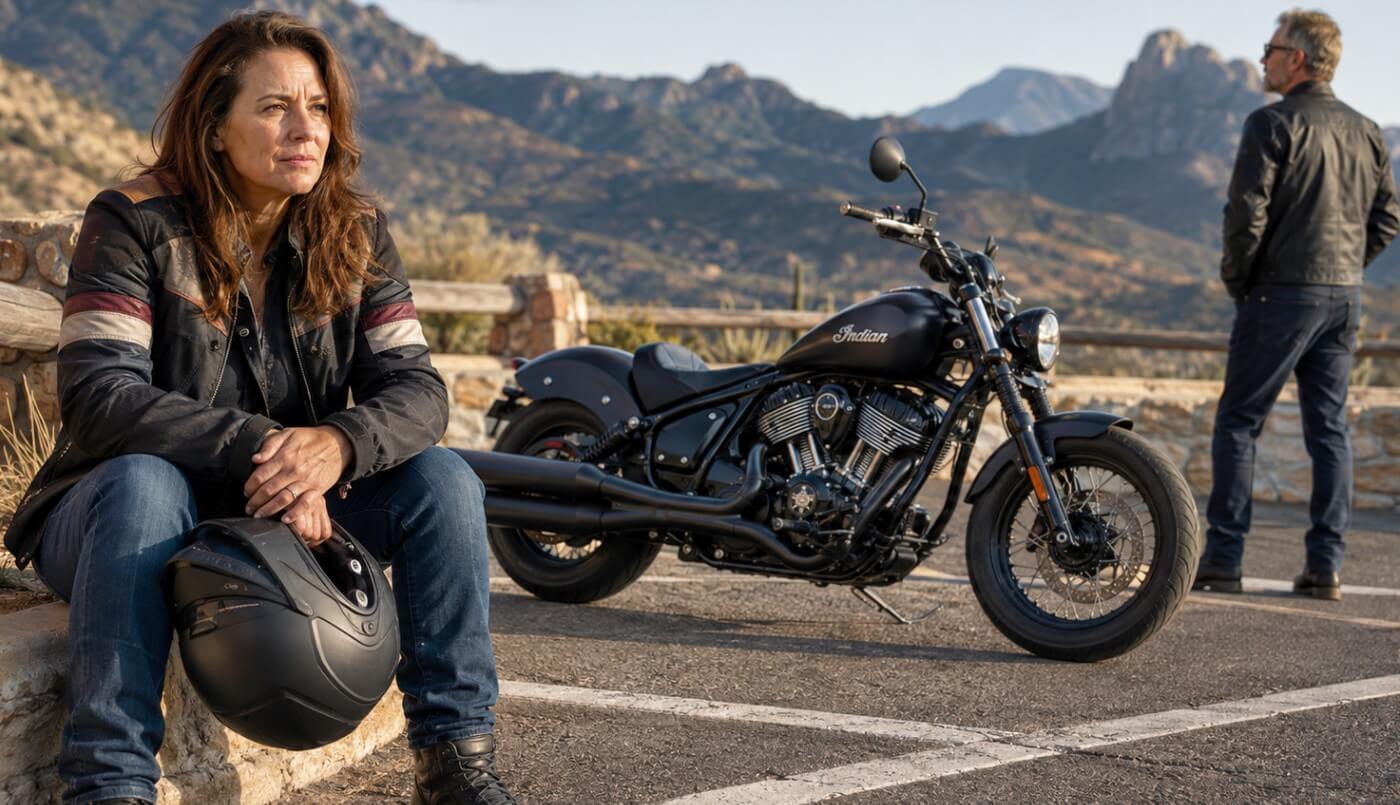
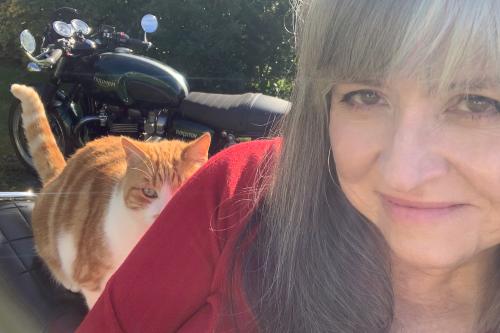
If you’re new to being a motorcycle passenger, you’re not alone in wondering whether what you’re feeling is normal. Almost every pillion I’ve spoken to has had the same mix of excitement, nerves, and questions at the beginning. If you’re still figuring things out, you might also find my posts on passenger confidence and the things first-time passengers don’t always say out loud helpful — they’re often where the real journey starts.