
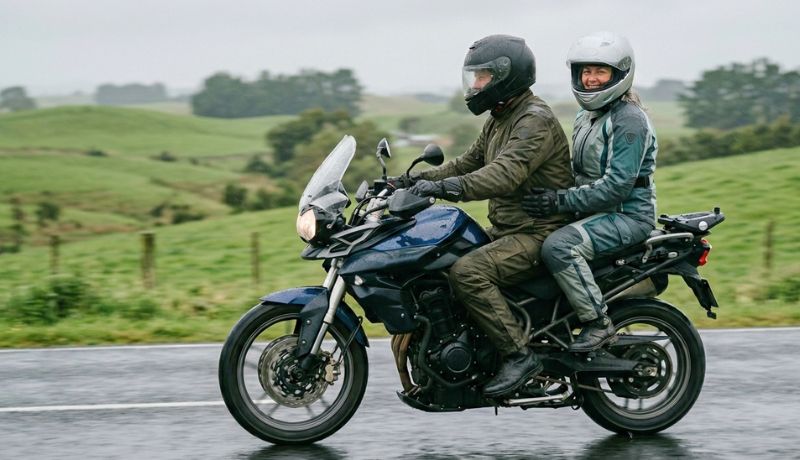
Updated for 2026 to reflect current wet-weather motorcycle passenger safety advice, comfort guidance, and realistic rain-riding habits.
Riding a motorcycle in the rain can make you question your sanity.
There’s a lot to cope with.
Everything changes at once.
The road looks and feels different when it’s wet.
Your visor is harder to see through.
Your body gets colder faster.
And a ride that felt relaxed ten minutes ago can suddenly feel like a test of character.
But yes — you can ride in the rain and still enjoy it.
The Short Answer
Riding in the rain as a motorcycle passenger can still be safe and manageable, but it often feels more intense because passengers are colder, more exposed, less in control, and more dependent on the rider’s judgment. Wet-weather rides usually feel easier when the rider adapts sensibly to conditions, the passenger stays as warm and dry as possible, communication stays open, and both people are willing to slow down, stop, or change plans when needed.
Rain on the back of a motorcycle is not just about getting wet.
It’s about feeling exposed, colder, and more aware of how much you’re relying on someone else to read the road well.
That’s why wet-weather riding can feel so intense from the passenger seat.
The good news is that rain doesn’t automatically ruin a ride.
If you understand what changes, wear the right gear, stay physically relaxed, communicate early, and ride with someone you trust, wet-weather riding can feel far more manageable than many passengers expect.
That growing sense of confidence often starts with trust, and when a motorcycle passenger starts to trust the rider is where a lot of the fear begins to settle.
Can you ride a motorcycle in the rain safely?
Yes — you can absolutely ride as a passenger in the rain.
People do it every day, and in some places you would barely ride at all if you waited for perfect weather.
That’s certainly the case here in New Zealand.
Here, the weather literally changes from minute to minute.
You might pull out of the driveway, and the sun is blinding.
But 5 miles down the road, you look up and the sky has suddenly turned black.
The rain is not far away.
So it helps to know what to do under different conditions.
Wet-weather riding is not the same as dry-weather riding.
Rain does make things harder.
Wet roads reduce grip.
Visibility can worsen.
Body temperature drops faster.
And because you are sitting on the back rather than controlling the bike yourself, you may feel more vulnerable much more quickly than the rider does.
That doesn’t automatically make the ride unsafe.
It just means the conditions have changed.
For passengers, wet-weather safety often comes down to a few simple things:
- riding with someone calm and sensible
- slowing down when conditions change
- staying as warm and dry as possible
- avoiding panic and tension, and
- speaking up if you feel too cold, frightened, or uncomfortable.
Wet rides feel worse when you’re tense, freezing, and wondering why you’re not tucked up at home in front of a roaring fireplace.
Why rain feels more intense from the passenger seat
Rain feels different when you’re the passenger because you’re not the one making decisions.
You cannot choose the speed.
You cannot adjust the line through a bend.
You cannot control the braking.
You cannot decide when to pull over.
You’re trusting someone else to read the conditions properly.
And that can feel fine in dry weather.
But in the rain, that same lack of control can suddenly feel much bigger.
You may become more aware of every drop on your visor, every gust of wind, every darker patch of road, every truck sending spray toward you, and every change in speed or lean angle.
At the same time, you’re often getting colder, wetter, and stiffer.
That combination — exposure, discomfort, and dependence — is what makes riding in the rain feel so emotionally intense from the passenger seat.
If you’re trying to build confidence on the back, wet-weather rides can feel especially intense at first.

What usually makes a wet ride feel worse
A lot of passengers assume the rain itself is the whole problem.
Usually it’s not.
What often makes a wet ride feel worse is a combination of things like:
- being underdressed
- getting cold too quickly
- poor visibility through the visor
- a rider going too fast for the conditions
- abrupt riding
- silent anxiety
- not wanting to “make a fuss,” and
- staying on the bike too long once discomfort has set in.
In other words, the misery often comes from how the ride is being managed, not just from the weather.
That’s actually encouraging, because many of those things can be improved.
Why the rider’s judgment matters so much in the rain
In wet weather, a passenger depends even more heavily on the rider’s judgment.
Rain is not the time for showing off, rushing, or pretending conditions are normal.
A good wet-weather rider helps the passenger by being:
- smoother
- calmer
- more conservative with speed
- less abrupt with braking and acceleration
- more alert to visibility and road conditions, and
- more willing to stop if needed.
Passengers may not be controlling the bike, but they absolutely feel the difference between a rider who adapts to the weather and one who does not.
If the rider stays steady and sensible, the whole ride usually feels more manageable from the back.
If the rider gets impatient, pushy, or careless, the passenger will often feel it immediately.
Why cold is often the real problem
Many wet rides become miserable not just because of the rain, but because it’s cold too.
Once you start losing heat, everything gets harder.
Your shoulders tense.
Your hands stiffen.
Your concentration drops.
Your mood sinks.
Your sense of confidence can disappear surprisingly fast.
That’s especially true for passengers, who often have fewer ways to move around and warm themselves up.
A lot of people say they hate riding in the rain, when what they really hate is being cold, soaked through, and unable to relax.
That’s an important distinction.
Because a preference for staying warm and dry doesn’t make you a princess.
It’s part of making the whole ride more enjoyable – and safer, too.
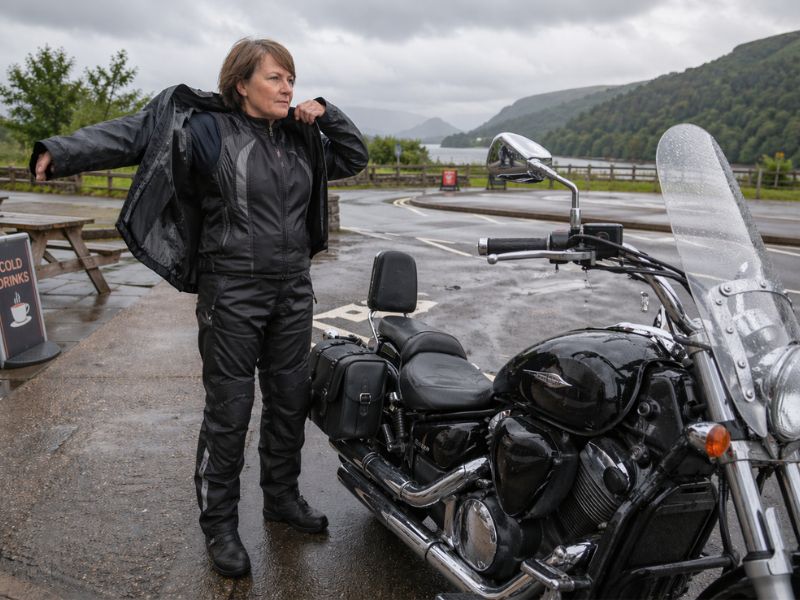
What to wear if you might get caught in rain
If rain is possible, it helps to dress strategically.
For passengers, useful wet-weather gear usually means:
- full protective riding gear
- layers that help hold warmth
- waterproof outer gear if possible
- water-resistant gloves, and
- boots that offer protection and won’t let the rain in.
Even when you can’t stay perfectly dry, reducing heat loss makes a huge difference.
If you’re unsure where to start, this guide on what to wear as a motorcycle passenger covers the basics.
Wet-weather comfort matters.
Trying to stay warm and dry doesn’t mean you’re “soft”.
It really does change how the whole ride feels.
If your clothing leaves you freezing, distracted, and mentally shrunk into survival mode, the ride will feel much harder than it needs to.
How to stay calmer on the back of a motorcycle in the rain
Passengers don’t need to “do” very much physically in the rain, but a few things help a lot.
Try to:
- stay relaxed through your hips and shoulders
- avoid sudden movements
- keep your feet stable
- avoid bracing in a rigid way unless necessary
- breathe normally instead of tensing against the whole experience, and
- focus on the ride experience, rather than analysing every patch of road.
It also helps to remember that feeling tense doesn’t serve any useful purpose.
Usually it just makes the ride feel longer and more stressful.
The calmer you can stay in your body, the easier it is to ride through changing conditions without spiralling into alarm.
When a passenger should speak up
This matters a lot.
Passengers sometimes stay quiet in the rain because they don’t want to seem dramatic, inexperienced, or needy.
But wet-weather discomfort can build quickly.
If you’re becoming too cold, too wet, frightened, sore, or mentally overloaded, it’s better to say so early.
Speak up if:
- you’re shivering
- your hands or body are going numb
- you’re struggling to stay relaxed
- your visor visibility is becoming a problem
- you feel genuinely unsafe, or
- you need a stop to regroup or warm up.
There’s no prize awarded for silent suffering.
A decent rider would rather know early than discover later that you were miserable for the last 40 minutes.
If physical discomfort is building too, small comfort changes can make a bigger difference than many passengers expect.
Sometimes the smartest choice is to stop
There’s a big difference between adapting to rain and pushing on when conditions have stopped being sensible.
Sometimes it’s completely fine to keep going.
But other times, the wiser choice is to stop for a break, warm up, wait things out, or head home.
That might be because of:
- heavy rain
- poor visibility
- flooding
- strong wind
- worsening cold
- fatigue
- pain
- poor gear
- inexperience, or
- falling confidence.
Stopping doesn’t mean you’ve failed at motorcycling.
It means someone involved is using good judgement.
There will be other days to ride, when the sun is out and the sky is clear.
My own turning point with riding in the rain
When I first started riding pillion, I used to HATE getting caught in the rain on the bike.
My mood would become more and more grumpy.
I’d scowl up at the sky, and sulk.
I felt personally betrayed by the weather.
And of course, none of that changed anything.
It did lead to some less than perfect marriage moments.
Eventually I realised the worst part of many wet rides was not only the rain itself.
It was my attitude.
Once I stopped treating every downpour as an outrage, I became much better at coping.
Not because I suddenly loved being cold and soggy — absolutely not — but because I stopped acting as though imperfect weather meant the whole day was ruined.
That shift helped.
It made it easier to laugh, adapt, and focus on what would actually improve the ride.
If you live in New Zealand – or anywhere with changeable weather – you eventually learn that rain can arrive in the middle of what looked like a perfect day.
Is riding a motorcycle in the rain still worth it?
Usually, yes.
Not because rain is always enjoyable.
It’s often uncomfortable, inconvenient, and thoroughly unglamorous.
But motorcycling was never about perfect conditions.
And rain is part of real motorcycling.
Part of the riding experience is exposure — to weather, landscape, discomfort, surprise, and the occasional reality check.
If you ride often enough — especially in a changeable place like New Zealand — you just accept it as part of the experience.
But you don’t have to pretend it’s delightful when it’s not.
The aim is to approach it with proper preparation, a bit of humility, and a lot less princess energy.
Then it becomes just another kind of adventure.
Besides, you can’t wear a crown and a motorcycle helmet at the same time.
How to make riding a motorcycle in the rain easier
If you do get caught in the rain, these habits usually make the ride easier from the passenger seat.
1. Expect the weather to change
A fine morning doesn’t guarantee a dry ride home.
Plan with reality in mind, not optimism.
2. Carry wet-weather gear when the forecast looks uncertain
Even basic rain protection can make a huge difference to comfort and concentration.
Put it on BEFORE it’s been pouring for 20 minutes.
3. Slow down and increase following distance
Wet roads reduce the margin for error.
Be patient when it takes longer to get to your destination.
4. Stay steady and let smooth riding help
Pay attention to how the ride feels rather than trying to control what you cannot control.
Sit still, lean naturally with the bike, and notice how much easier wet-weather riding feels when the rider is smooth with braking, throttle, and cornering.
5. Keep your visor and visibility sorted
A clean, usable visor can change the whole feel of a wet ride.
When you can see what’s ahead, you can prepare for it mentally.
6. Stay as warm as you can
Cold drains energy, confidence, and concentration faster than many people expect.
Make sure those layers are in place.
7. Communicate early
If you’re the passenger and you’re getting cold, frightened, or miserable, say so before it becomes overwhelming.
8. Know when enough is enough
Some wet rides are manageable.
But sometimes you’ll need to call off the ride early.
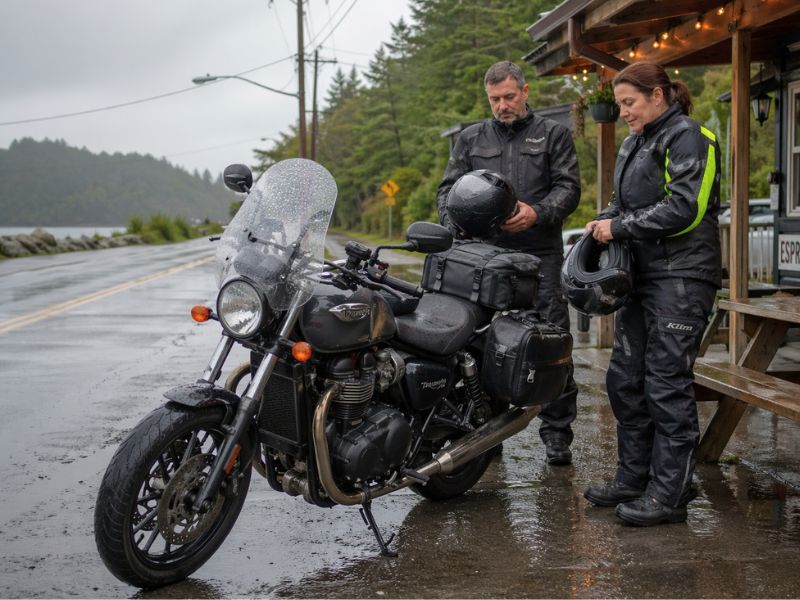
Stop at a café and make a new plan if you need to.
Rain does not have to ruin a motorcycle ride from the passenger seat.
With the right rider, better gear, and a calmer approach, wet-weather rides can feel far more manageable than they first seem.
And sometimes, the smartest move is simply knowing when to stop and warm up.
FAQs
Is it safe to ride on the back of a motorcycle in the rain?
Yes, it can be safe to ride as a passenger in the rain, but wet conditions usually make the ride feel more intense.
Rain can reduce grip, worsen visibility, and make passengers feel colder and less in control, so safety depends heavily on the rider’s judgment, smoother riding, appropriate gear, and knowing when to slow down or stop.
Why does riding in the rain feel worse as a passenger?
Riding in the rain as a passenger often feels harder because you are more exposed, less able to influence what is happening, and more dependent on the rider’s decisions.
Cold, wet clothing, poor visibility, tension, and lack of control can all make the experience feel more stressful from the back seat.
What should a motorcycle passenger wear in the rain?
A motorcycle passenger should wear full protective riding gear and, where possible, waterproof outer layers to help stay warm and dry.
Gloves, boots, and layers that reduce heat loss matter because once you become cold and soaked, comfort and confidence usually drop quickly.
What helps a passenger feel safer in wet weather?
Passengers usually feel safer in the rain when the rider slows down, stays smooth, avoids abrupt movements, and communicates clearly.
It also helps when the passenger stays physically relaxed, wears suitable gear, and speaks up early if they are getting too cold, frightened, or uncomfortable.
When should a motorcycle passenger ask to stop in the rain?
A passenger should speak up or ask to stop if they are becoming too cold, too wet, too tense, numb, sore, frightened, or unable to relax.
It’s better to say something early than to silently endure a ride that has become overwhelming or unsafe.
Is riding in the rain always miserable?
Not always.
Some wet rides are uncomfortable, but others are manageable and even memorable in a good way.
Rain usually feels worse when people are underprepared, underdressed, too cold, or trying to push on beyond what feels sensible.
Further Reading
If riding in the rain has highlighted how much comfort, trust, and confidence matter on the back of a bike, these articles may help next:
How to Feel More Confident on a Motorcycle (For Passengers)
If wet-weather riding makes you feel exposed or tense, this article explores how passengers build confidence over time.
What to Wear as a Motorcycle Passenger
The right gear affects far more than appearance — it changes warmth, comfort, confidence, and how well you cope when conditions turn bad.
Are Motorcycles Dangerous for Passengers? The Real Risks, Explained Honestly
If you want a clearer understanding of motorcycle passenger safety overall, this article looks honestly at the real risks and what affects them.
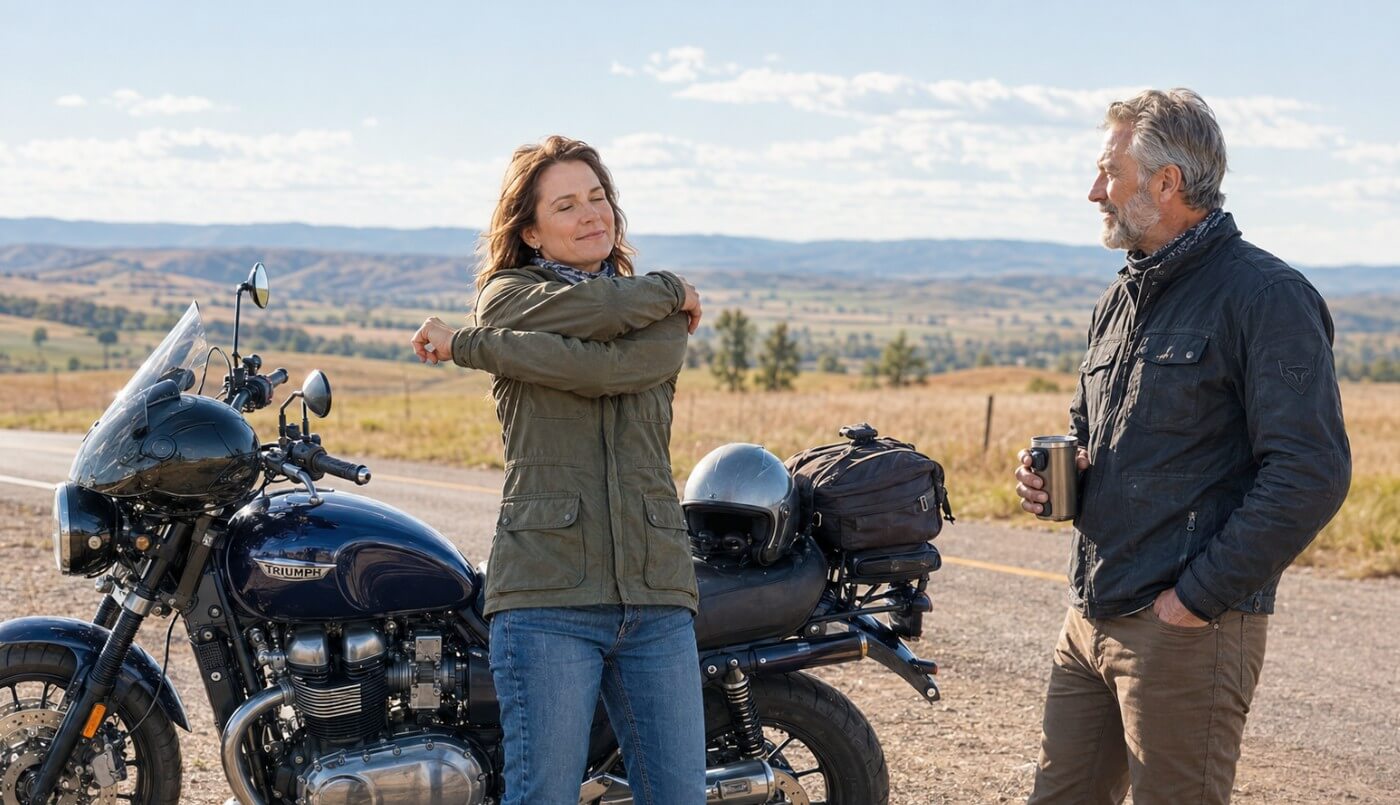
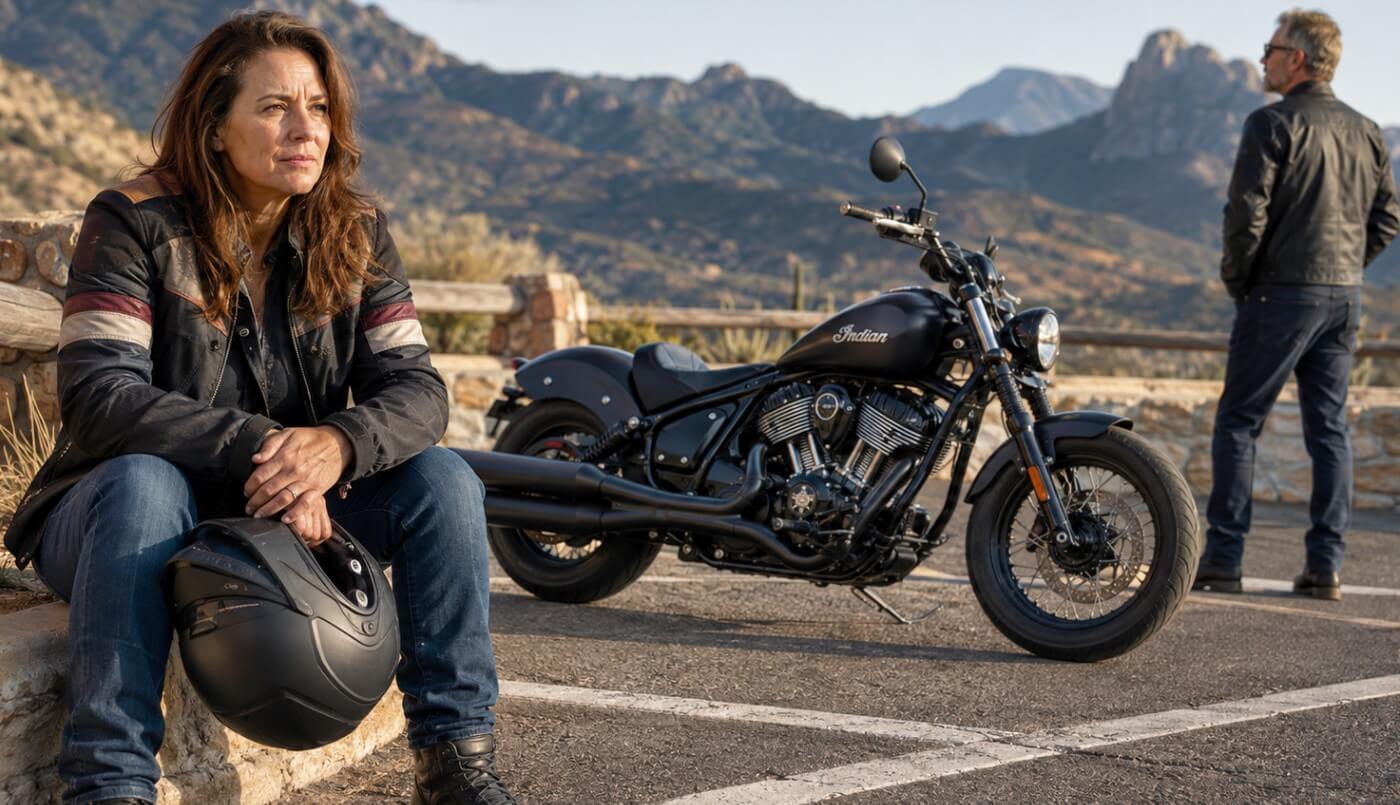
Getting caught in the rain on the back of a motorcycle is not just about getting wet — it can make you feel colder, more exposed, and far less in control very quickly. If that sounds familiar, you might also like my article on how to feel more confident on a motorcycle as a passenger.
It;s an awful thing to be stuck when riding a motorcycle in the rain: my advice, pack light, You never know when the weather takes a bad turn!
You’re right, Miller – it’s not always that comfortable, but it’s helpful if you have the right gear! Thanks for your comment.
Hahaha, I’ll work on that for you, Derek. Actually I should write something about riding in groups – it can quickly turn into an ego-driven racetrack I’ve found. With plenty of stops at pubs along the way – not exactly perfect riding conditions either!
Would you be kind enough to please write another version directed towards men with beards, skinny jeans and checkered shirts.
Or men wearing black leather jackets, black leather jeans and black leather vests; with or without club patches.
And men who must ride in groups.
And, well, perhaps you could make a film Mandy and shame the rest of the biker community who just prefer to polish & visit the dealership. When it’s sunny!
Loved the story of your conversion 🙂
Riding in the rain is just apart of riding. I ride 365 and live in BC Canada, rain is expected after September until spring… If you let the rain stop you… Then you’re riding season is over.
You learn so much when you do not let the elements dictate when and where and how you go. After all… That is what gear is designed for… To keep the elements off your skin… And if you don’t like the rain… I suggest a car… A big one!
Lessons are to be learned in the rain, skills improve, attention to detail improved…and there is a time when you feel like it’s not even raining.., you forget the weather… At least I do… But then again… There is a small percentage of us out there that riding is more than a hobby, it’s just the way it is… It’s so much more …
Love your attitude, Laura; it took me while to get there! It’s the same here in New Zealand – if you wait for the perfect day with not a cloud in the sky, you’ll get out on the bike twice a year if you’re lucky!
Got soaked on a trip last November. Even with WW gear on. Had no choice really – we were on a trip and had to get from A to B. Included a bus coming the other way, going thru a puddle as it passed me and “SPLAT”, a wall of water right in the kisser! Meh, just get on with it. Yes, it’s soggy, No, it isn’t nice, oh well, that’s how it is. We rocked up at our accommodation, stripped, hung everything up, cranked up the heating to tropical, grabbed a brolly from Reception and headed out to a very nice dinner, which included a pleasant interlude in a local pub, listening to the locals play folk music at their monthly meet up. Surprisingly, pretty much everything was dry by the next morning except my boots, which took a few days 🙂 It’s all part of the fun. Wouldn’t miss it for the world.
Know that feeling, Mandy! Doesn’t matter in the end though, as long as you arrive safely. Mud washes off!